EN
 FR


› Blog/travel
November 2026 |
15 Days in South Korea: My Day-by-Day Itinerary
Fifteen days is the right length to discover South Korea without rushing: from Seoul to Jeju, via Suwon, Andong, Haeinsa, Gyeongju and Busan. From 15 to 30 May 2026, I made this trip in partnership with the Korea Tourism Organization, between UNESCO heritage and the Lotus Lantern Festival. Here is the day-by-day itinerary I suggest based on my route, with my tips to organise it.
The stops on this trip:
- Seoul: royal palaces and the lantern festival
- Suwon: Hwaseong Fortress
- Andong: Hahoe Village
- Haeinsa: the temple of the Tripitaka Koreana
- Gyeongju: the former Silla capital
- Busan: Gamcheon, Haeundae and Samgwangsa
- Jeju: the volcanic island
My itinerary at a glance
| Days | Stop | Highlights |
|---|---|---|
| 1 to 3 | Seoul | Changdeokgung, Jongmyo, Jogyesa, lantern parade |
| 4 | Suwon | Hwaseong Fortress |
| 5 | Andong | Hahoe Village |
| 6 | Haeinsa | Temple and Tripitaka Koreana |
| 7 to 9 | Gyeongju | Royal tombs, Bulguksa, Seokguram, Yangdong |
| 10 and 11 | Busan | Samgwangsa, Gamcheon, Haeundae |
| 12 to 15 | Jeju | Seongsan Ilchulbong, Manjanggul, Hallasan |
Days 1 to 3: Seoul
- Day 1: arrival at Incheon Airport and check-in in Seoul.
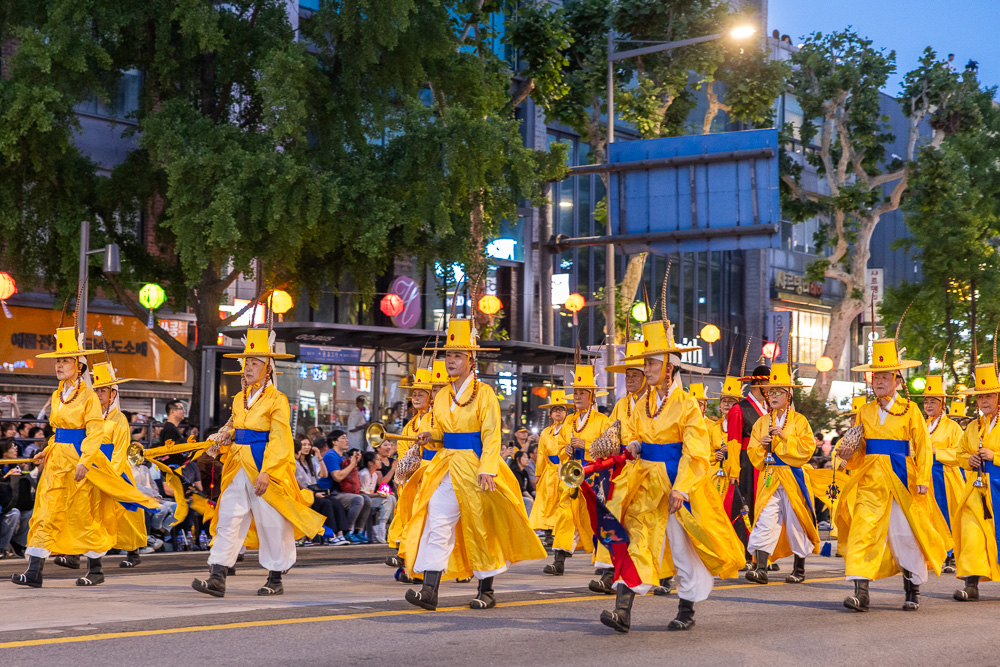
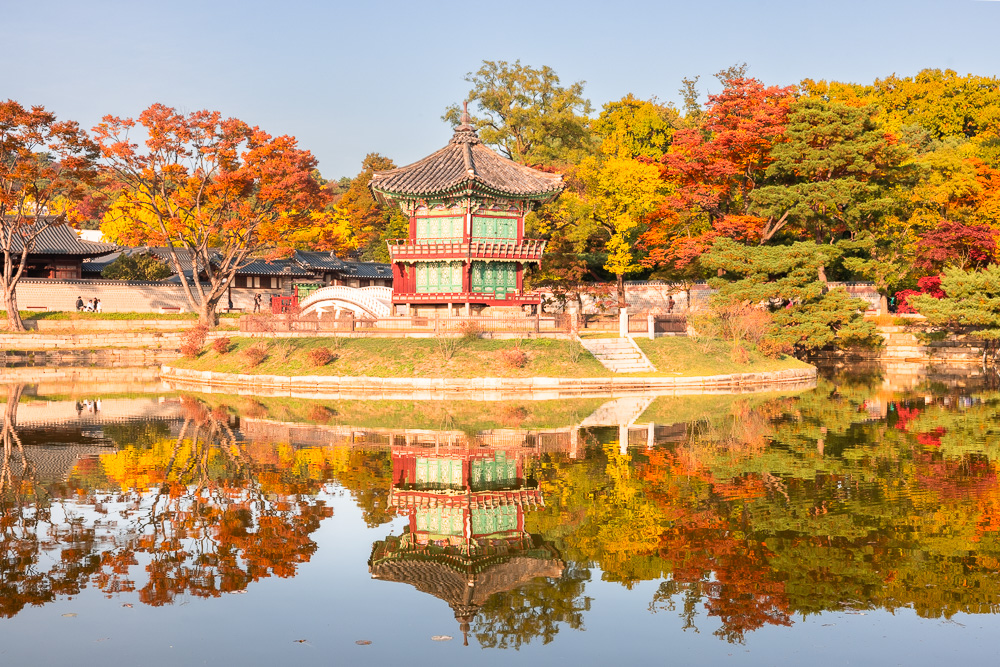
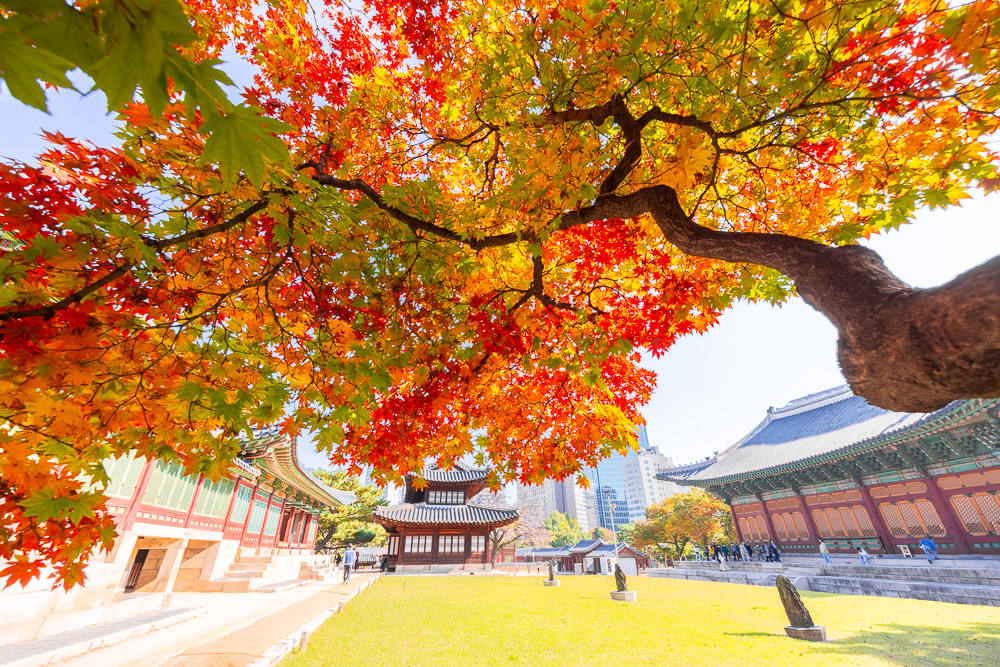
- Day 2: Changdeokgung Palace and its Secret Garden, then Jongmyo Shrine, open for free visits on Saturdays. In the evening, the lantern parade on Jongno.
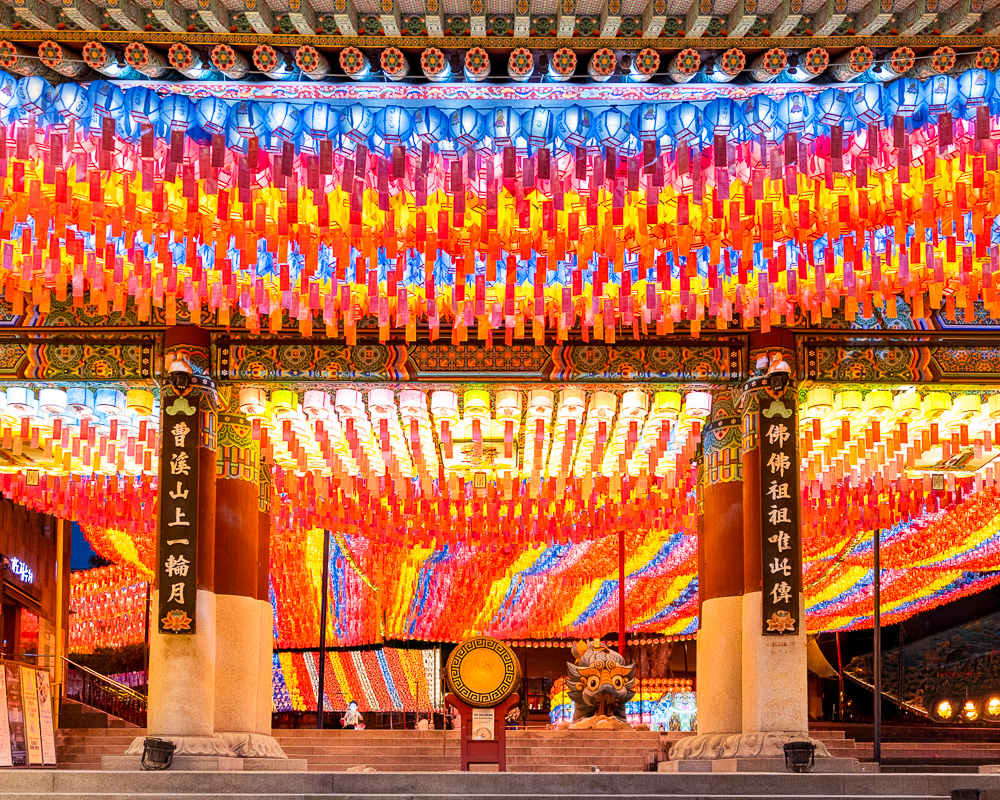
- Day 3: Jogyesa Temple under its lanterns, Gyeongbokgung Palace, and Cheonggyecheon Stream in the evening.
All the details in Things to Do in Seoul: Palaces, City Wall and Glass Towers and Lotus Lantern Festival in South Korea: Seoul, Gyeongju and Busan.
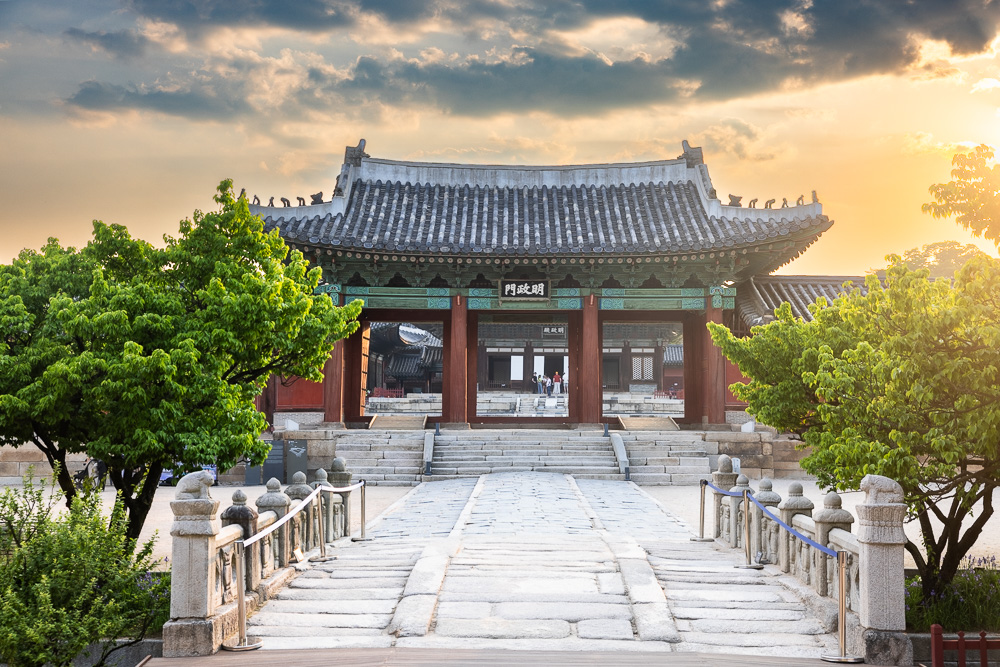

Day 4: Suwon and Hwaseong Fortress
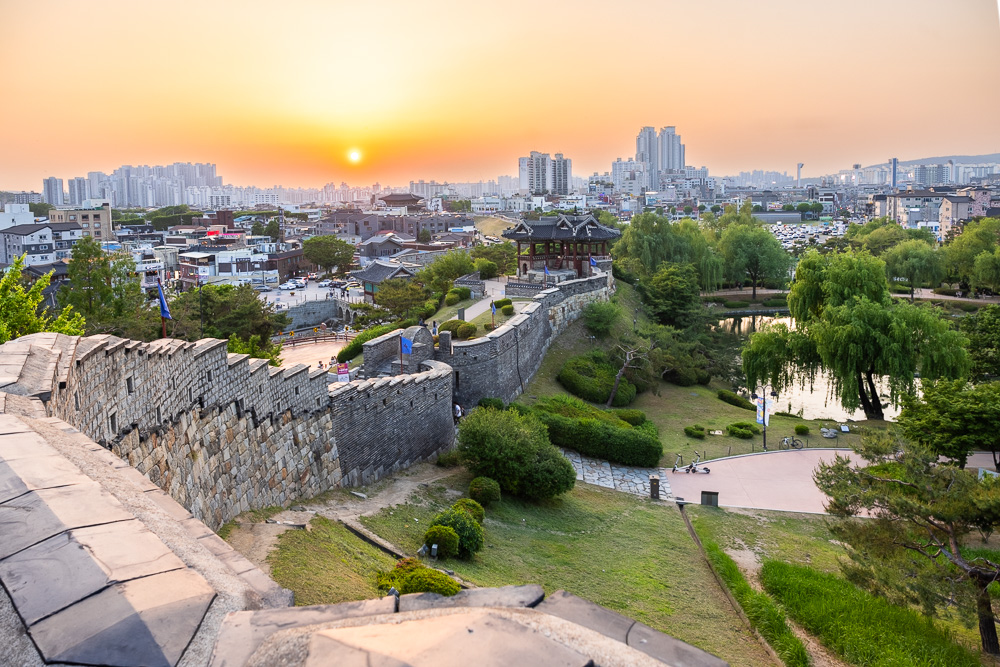
About an hour from Seoul, Hwaseong Fortress, listed by UNESCO, is a romantic walk for young Korean couples. Arrive in the afternoon, wander around the neighbourhood and its cafés, and stay until sunset on the walls.
Day 5: Andong and Hahoe Village
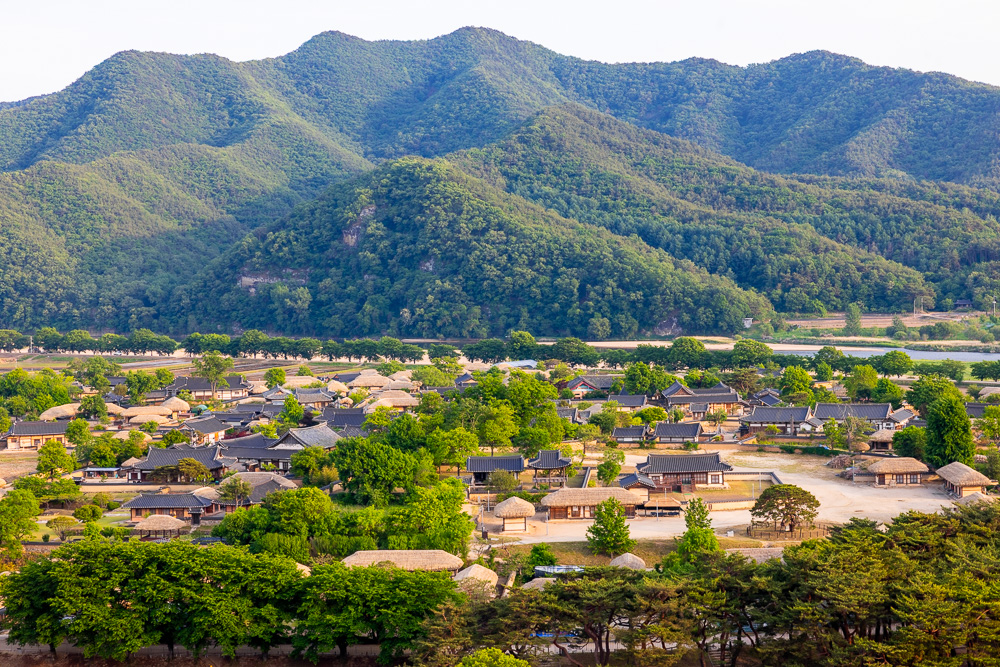
Head to Andong, about 2h45 by car or 3 hours by bus from Seoul. Hahoe Village, founded more than 600 years ago and still inhabited, looks frozen in time. Climb Buyongdae Cliff for the view of the village in the loop of the river.
Day 6: Haeinsa Temple
In the mountains of Gayasan National Park, Haeinsa Temple holds the Tripitaka Koreana, more than 80,000 woodblocks carved in the 13th century. I went by car, which is simpler than the bus from Daegu (about 1h30).

Days 7 to 9: Gyeongju
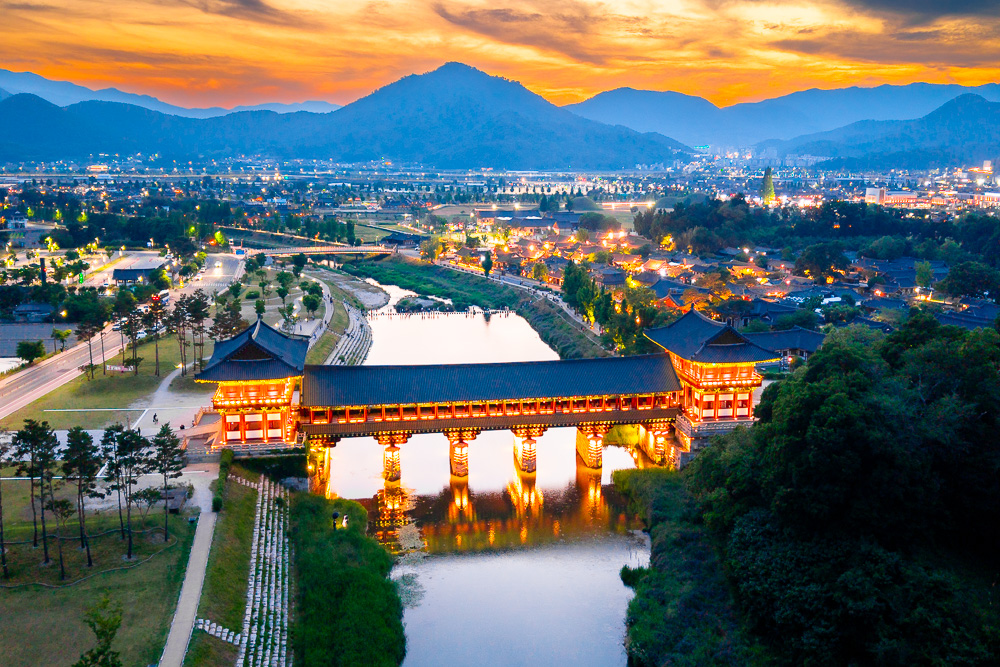
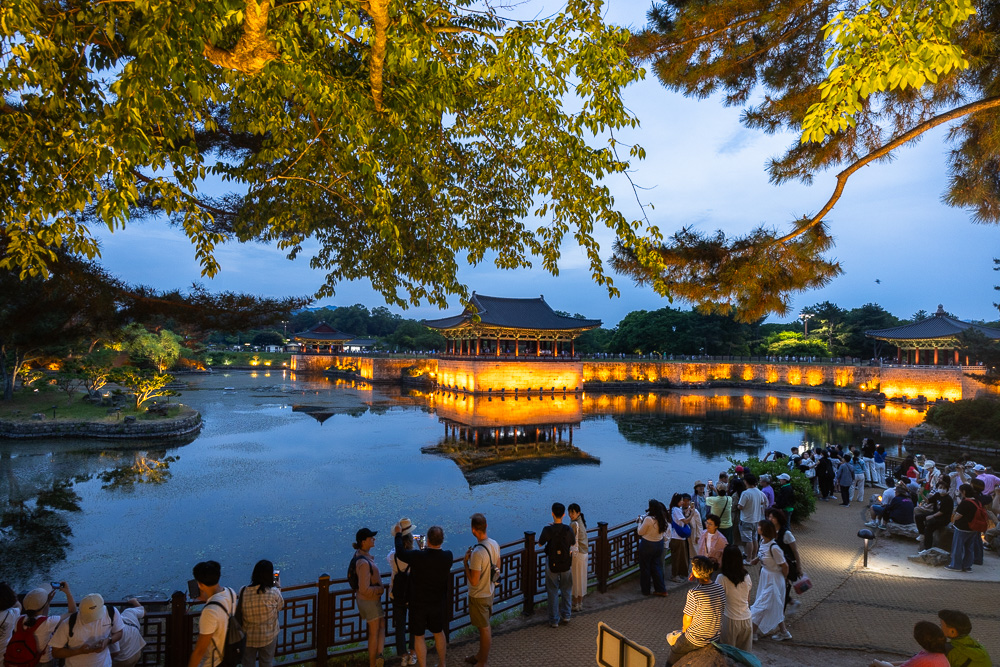
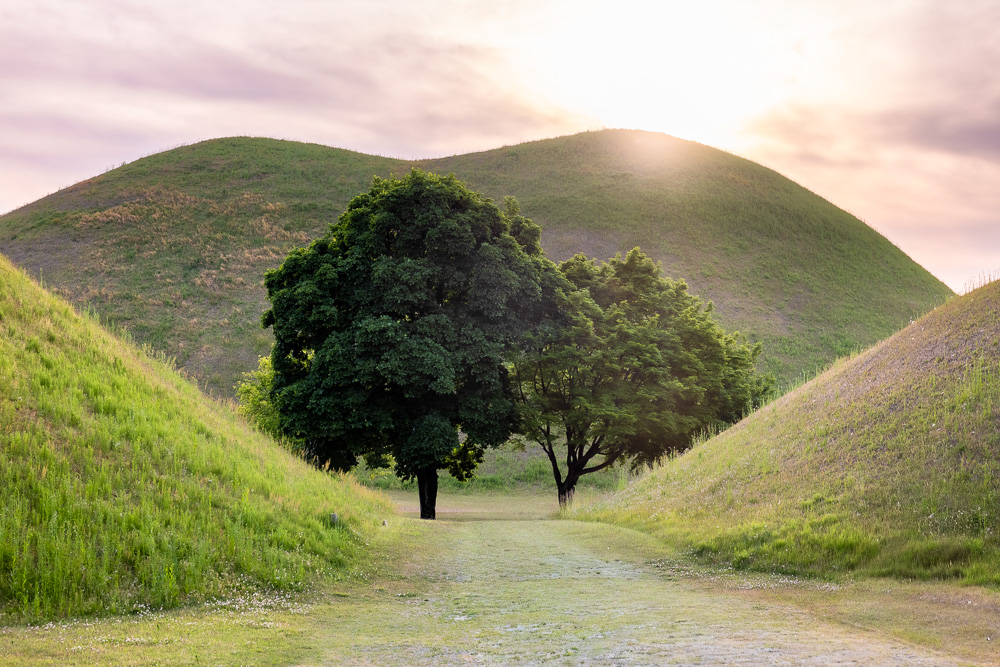
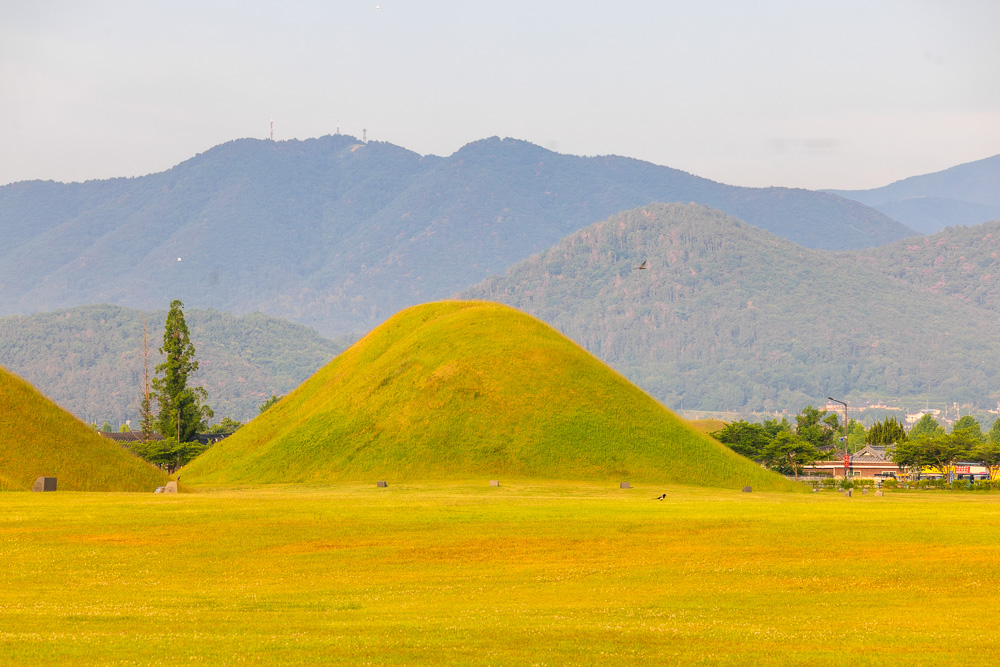
- Day 7: the royal tombs of Daereungwon and the Cheomseongdae observatory, then Wolji Pond and Woljeonggyo Bridge after dark.
- Day 8: Bulguksa Temple early in the morning, before the tour groups, then Seokguram Grotto.
- Day 9: Yangdong Village, about 40 minutes from the centre.
Gyeongju’s three UNESCO sites are detailed in South Korea: 9 UNESCO Sites and My 15-Day Itinerary.
Days 10 and 11: Busan
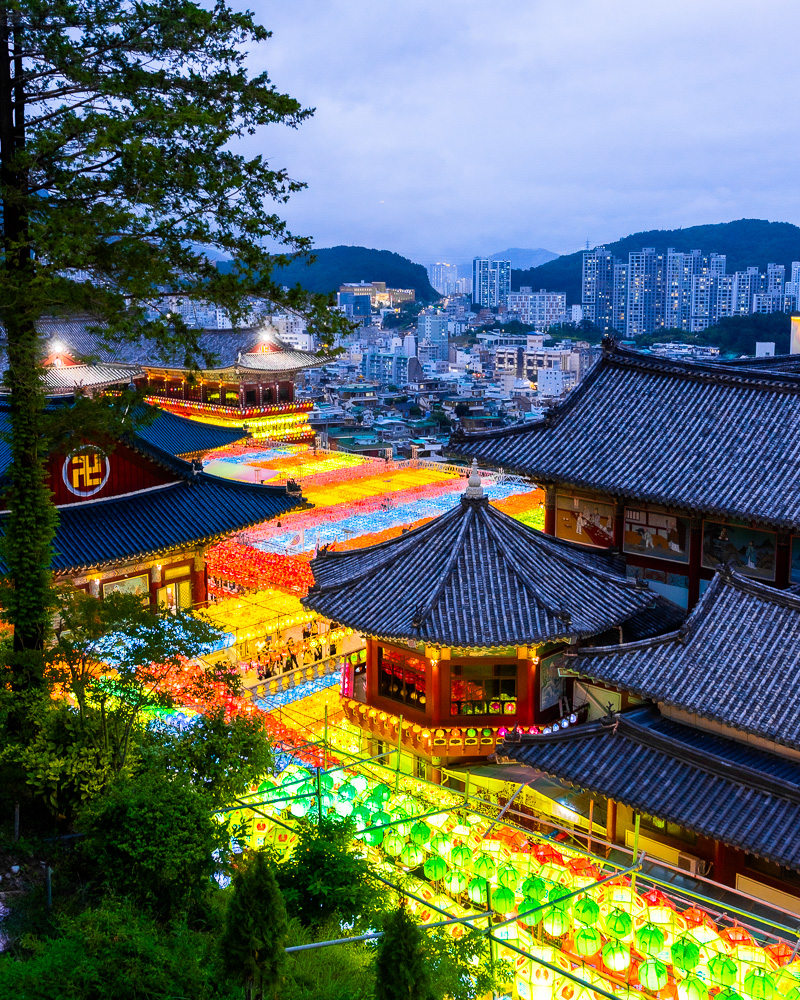
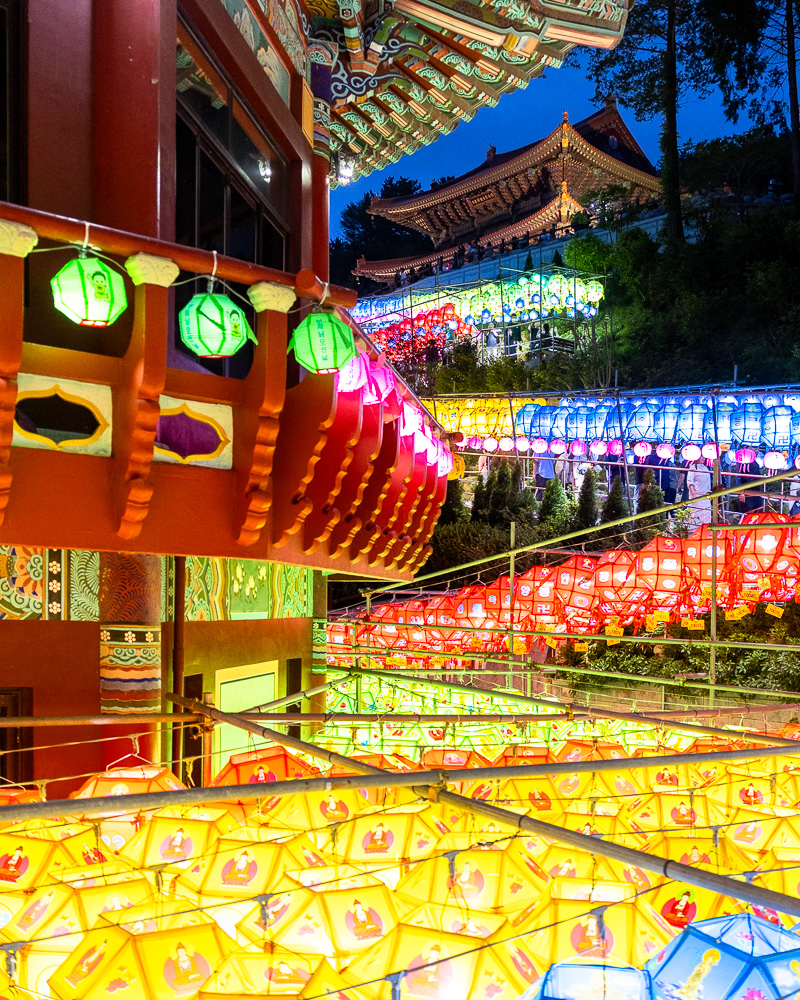
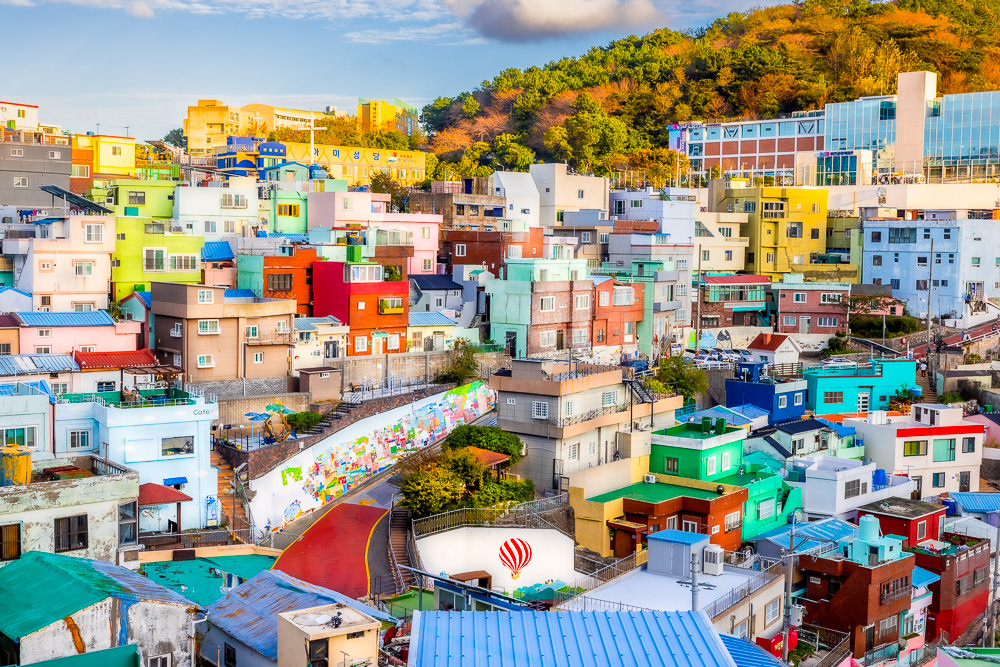
Gyeongju is only 30 minutes from Busan by KTX. In Busan, don’t miss the colourful Gamcheon Culture Village, Jagalchi Fish Market, Haeundae Beach and the Sky Capsule along the coast. During the lantern festival, Samgwangsa Temple and its 40,000 lanterns is the most spectacular temple in South Korea: in 2026, it was lit until 24 May.
All my addresses in Things to Do in Busan: Gamcheon, Haeundae and Samgwangsa.

Days 12 to 15: Jeju Island
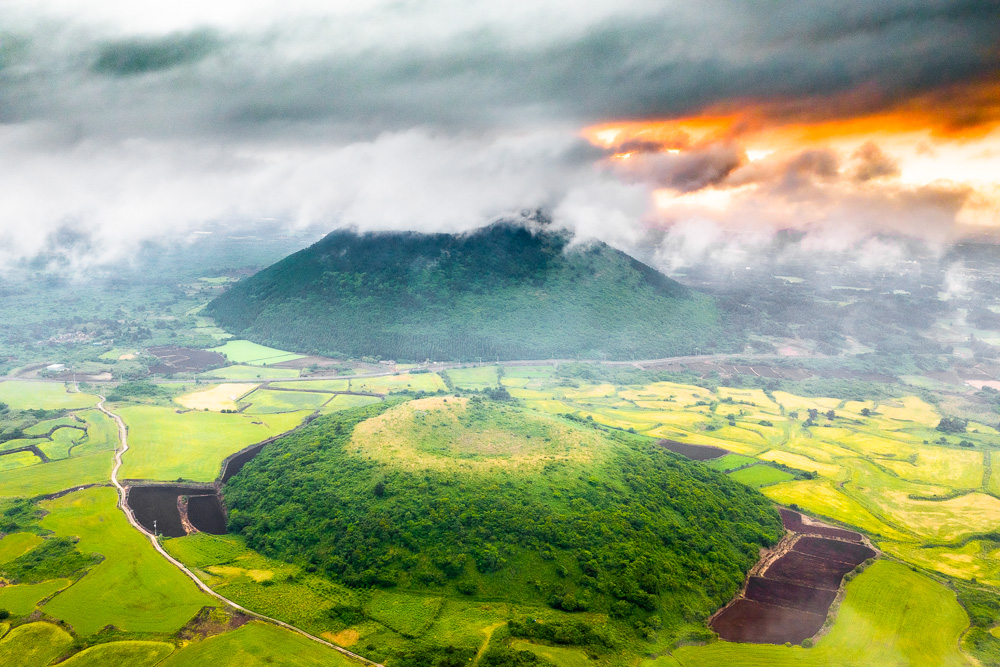
A flight of about 1 hour links Busan to Jeju. Rent a car to tour the volcanic island, listed by UNESCO: Seongsan Ilchulbong at sunrise, Manjanggul Cave and Mount Hallasan, the highest point in South Korea. On the last day, fly back to Seoul for your connection.

Getting around for 15 days
- KTX between big cities: Seoul to Gyeongju in about 2 hours, Gyeongju to Busan in 30 minutes. Book in the Korail app, especially at weekends.
- Car for Hahoe, Haeinsa and Yangdong, where buses are infrequent, and for Jeju.
- Plane between Busan and Jeju, then from Jeju to Seoul for the return.
Spring or autumn?
I made this trip in May for the Lotus Lantern Festival, held around Buddha’s birthday (late April to late May depending on the year). Autumn, from mid-October to mid-November, is the other great season, with the colours of maples and ginkgos: read South Korea in Autumn: Fall Foliage from Seoul to Busan.
Practical information
- Entry: French citizens are exempt from the K-ETA until 31 December 2026; fill in the e-Arrival Card online before you land.
- Apps: Naver Map or KakaoMap rather than Google Maps, and Korail for trains.
- Getting around in town: a T-money card works on the subway, buses and in convenience stores.
- Temperatures in May: around 15 to 25 °C.
More from South Korea
- South Korea: 9 UNESCO Sites and My 15-Day Itinerary
- Lotus Lantern Festival in South Korea: Seoul, Gyeongju and Busan
- South Korea in Autumn: Fall Foliage from Seoul to Busan
- Things to Do in Seoul: Palaces, City Wall and Glass Towers
- Things to Do in Busan: Gamcheon, Haeundae and Samgwangsa
See all my articles in the South Korea section.
FAQ
Are 15 days enough to visit South Korea?
Yes: 15 days let you see Seoul, Suwon, Andong, Haeinsa, Gyeongju, Busan and Jeju without rushing.
What itinerary for 15 days in South Korea?
Seoul (3 days), Suwon (1 day), Andong (1 day), Haeinsa (1 day), Gyeongju (3 days), Busan (2 days) and Jeju (4 days).
Do you need a car in South Korea?
Not between big cities, which are well linked by KTX, but it is very useful for Hahoe, Haeinsa, Yangdong and Jeju.
When is the best time for a 15-day trip to Korea?
Spring (April-May) for the lantern festival, or autumn (mid-October to mid-November) for the foliage.
How do you get from Busan to Jeju?
By plane, in about 1 hour.
Featured product

Wakayama Castle Sakura Season – Limited Edition Fine Art Print
From 190,00 €
DiscoverFeatured posts
- 15 Days in South Korea: My Day-by-Day Itinerary
- Harbin Ice Festival, China: Ice and Snow World and the City, a Photographer’s Guide
- Yellowknife The Aurora Capital of the World
- Top 10 photo Spots for Cherry Blossom in Japan
See all
My latest adventures



Alpes-de-Haute-Provence The Gorges of the Verdon ›
January 2024