EN
 FR


› Blog/travel
November 2026 |
South Korea: 9 UNESCO Sites and My 15-Day Itinerary
South Korea is not just Seoul, K-pop, K-dramas, K-beauty and trendy cafés. It is also 2,000 years of history, with a huge cultural heritage and spectacular nature. From 15 to 30 May 2026, I travelled there in partnership with the Korea Tourism Organization, following one theme: UNESCO World Heritage. Here are the 9 UNESCO sites on my route, from Seoul to Jeju, my 15-day itinerary and how to get around.
Here is what not to miss:
- Changdeokgung Palace and Jongmyo Shrine in Seoul
- Hwaseong Fortress in Suwon
- Hahoe Village in Andong
- Haeinsa Temple and the Tripitaka Koreana
- Gyeongju: historic areas, Bulguksa and Seokguram, Yangdong Village
- Jeju Volcanic Island
Seoul: Changdeokgung Palace and Jongmyo Shrine
Two of Seoul’s UNESCO sites sit a few minutes’ walk apart in the Jongno district, so you can see both in one day.
- Changdeokgung Palace (창덕궁): built in 1405 and listed as a UNESCO World Heritage Site in 1997, it is the Joseon palace that blends most naturally into its landscape. Behind it, the Huwon (Secret Garden) covers more than half of the grounds. It can only be visited on a guided tour, with a separate ticket that sells out fast: book online a few days ahead.
- Jongmyo Shrine (종묘): the royal ancestral shrine of the Joseon dynasty, listed as a UNESCO World Heritage Site in 1995 and the earliest surviving Confucian royal shrine. Its main hall, Jeongjeon, is one of the longest traditional wooden buildings in Korea. Weekdays are guided tours only; on Saturdays you can walk around freely. It is closed on Tuesdays.
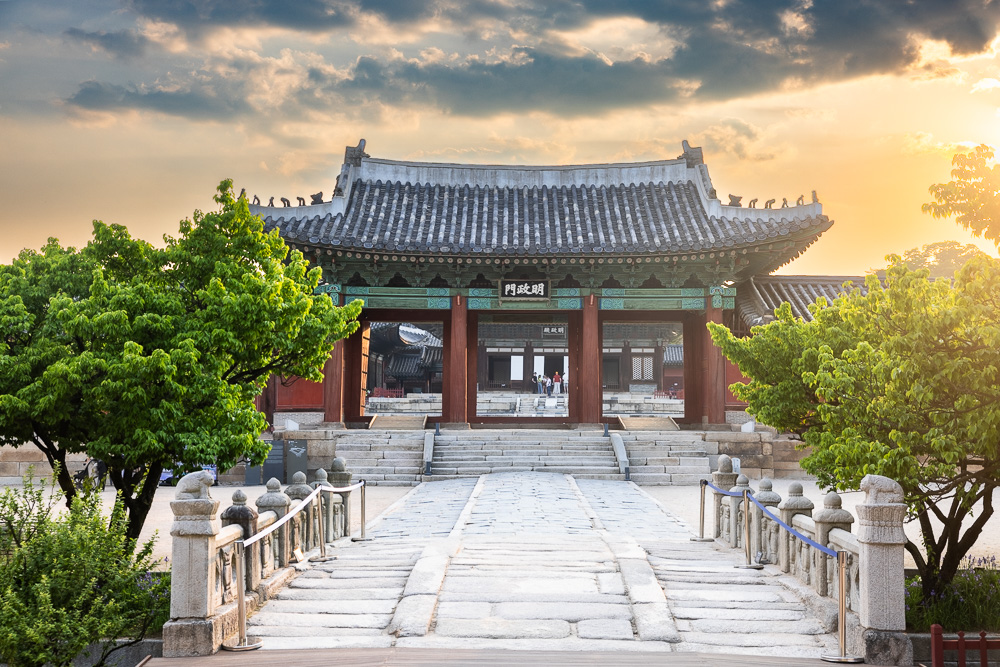

Ticket: 3,000 won for Changdeokgung, plus 5,000 won for the Secret Garden tour; 1,000 won for Jongmyo. Changdeokgung is closed on Mondays. Entry to the royal palaces is free if you wear a hanbok. For more of the capital, see my guide Things to do in Seoul.
Suwon: Hwaseong Fortress
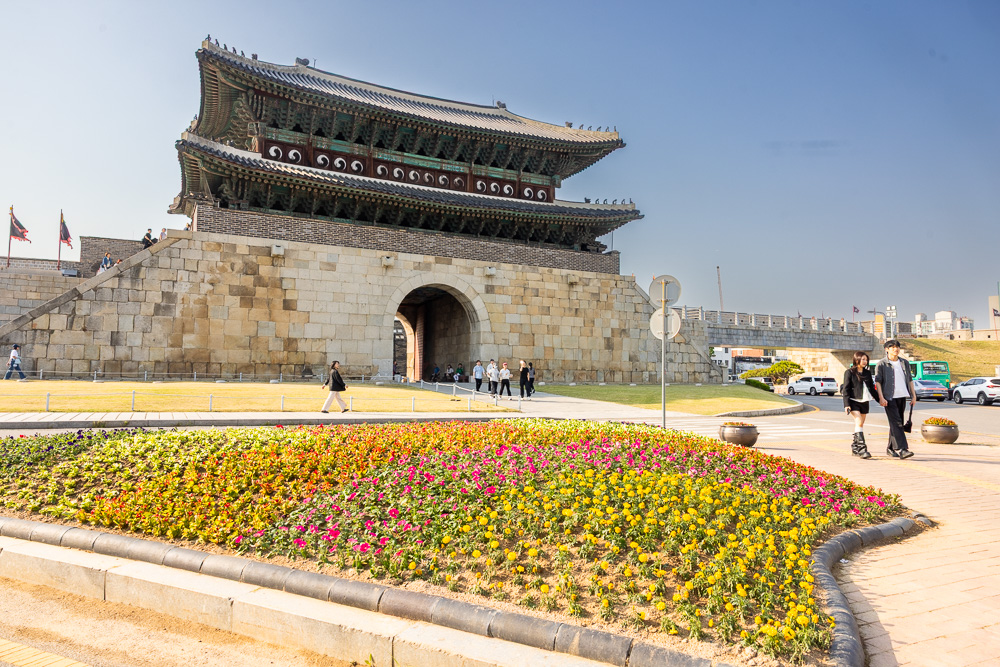
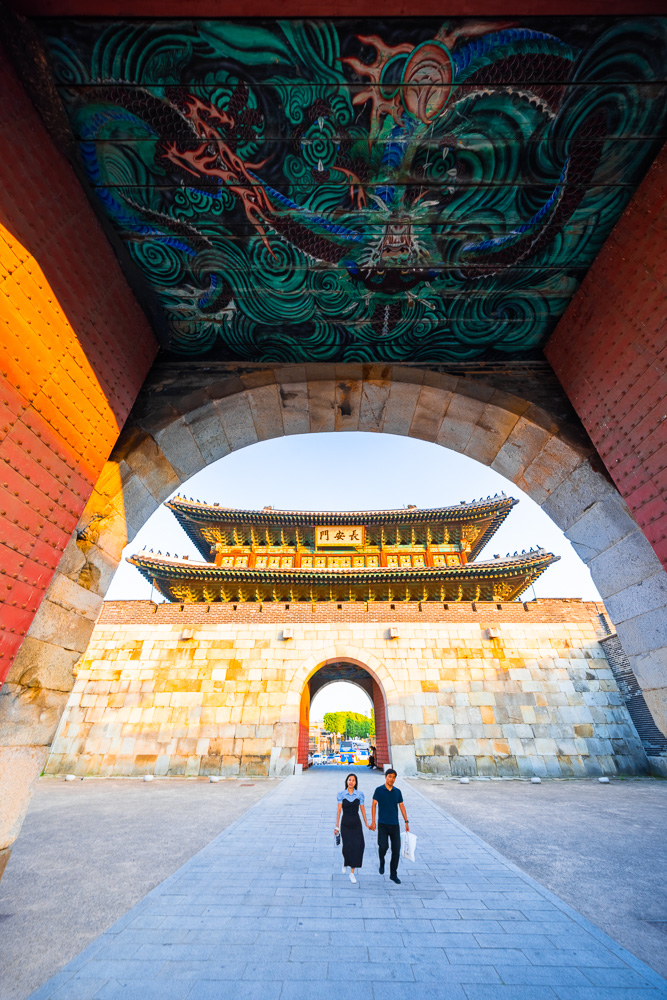
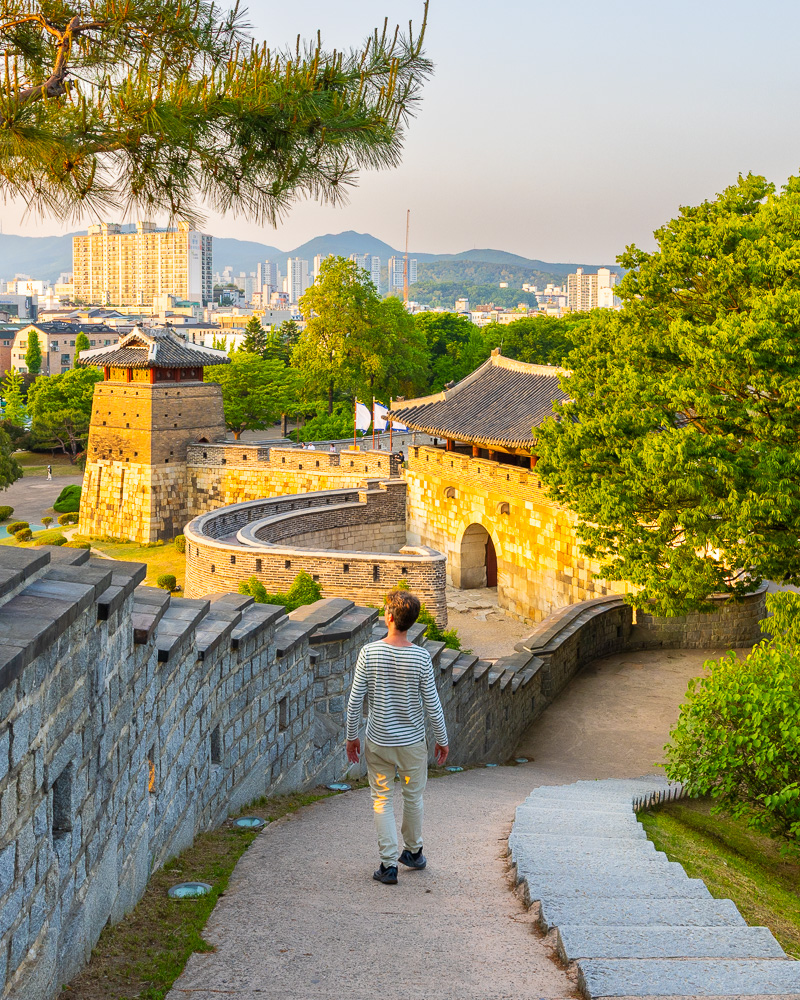
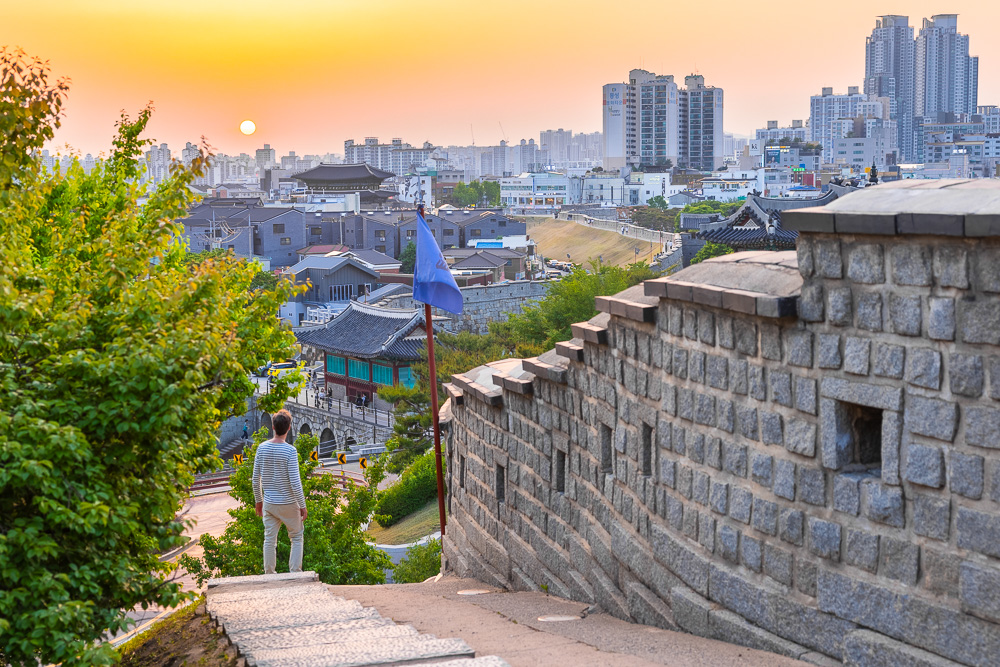
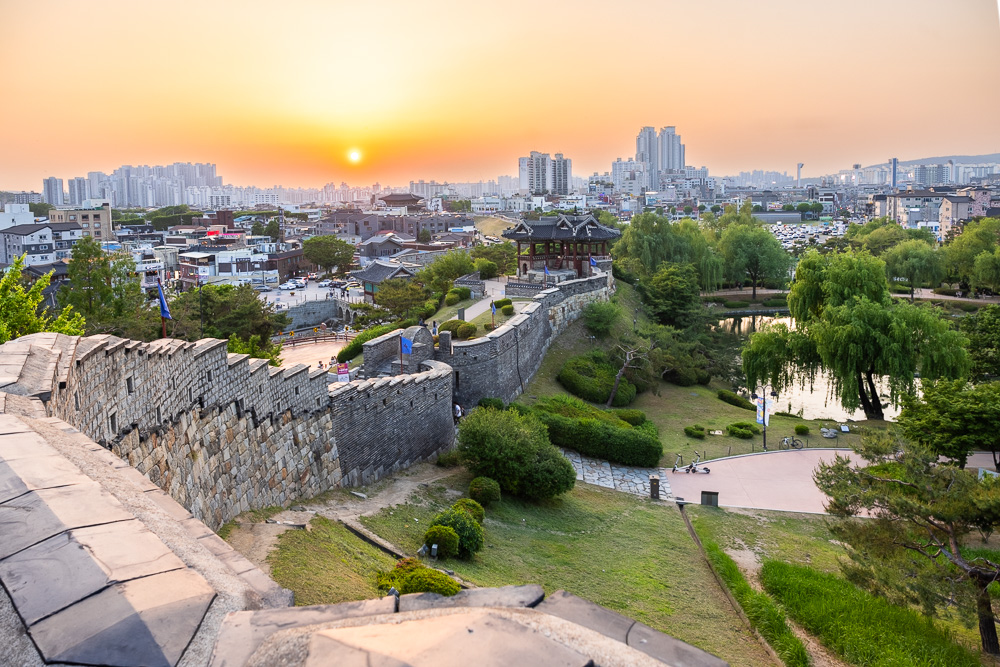
Hwaseong Fortress (수원 화성) was built between 1794 and 1796 under King Jeongjo and listed as a UNESCO World Heritage Site in 1997. Its walls run for about 5.7 km around the old centre of Suwon, with gates, watchtowers and pavilions. Walking the full circuit takes around two to three hours.
Today the fortress is above all a romantic walk for young Korean couples. Go at sunset and you will understand why. The surrounding neighbourhood is pleasant too, with plenty of cafés: spend the afternoon and the evening there before heading back to Seoul, about an hour away.


Andong: Hahoe Village
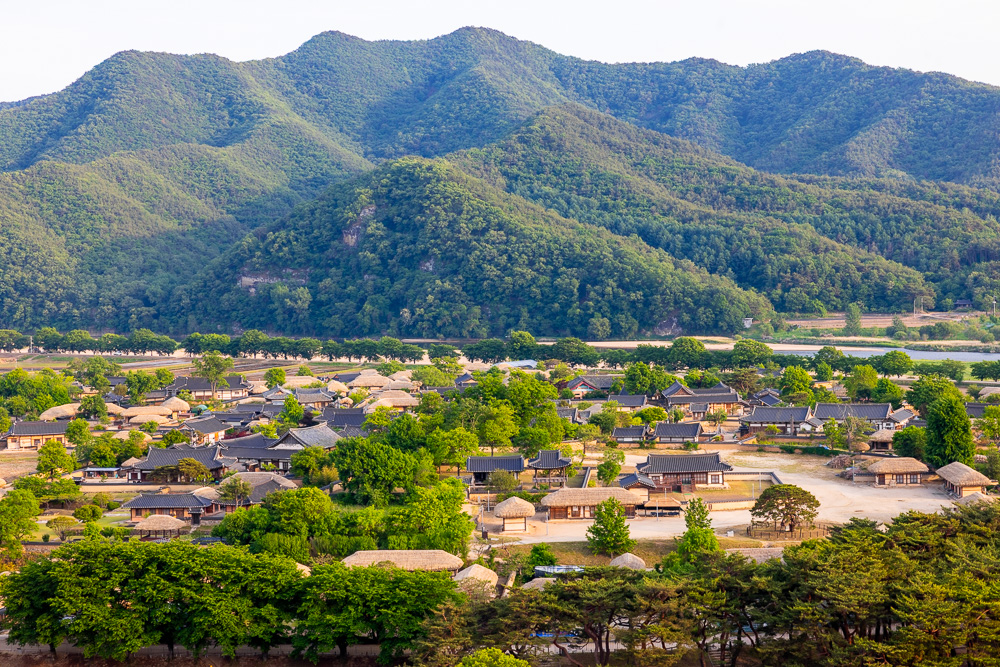
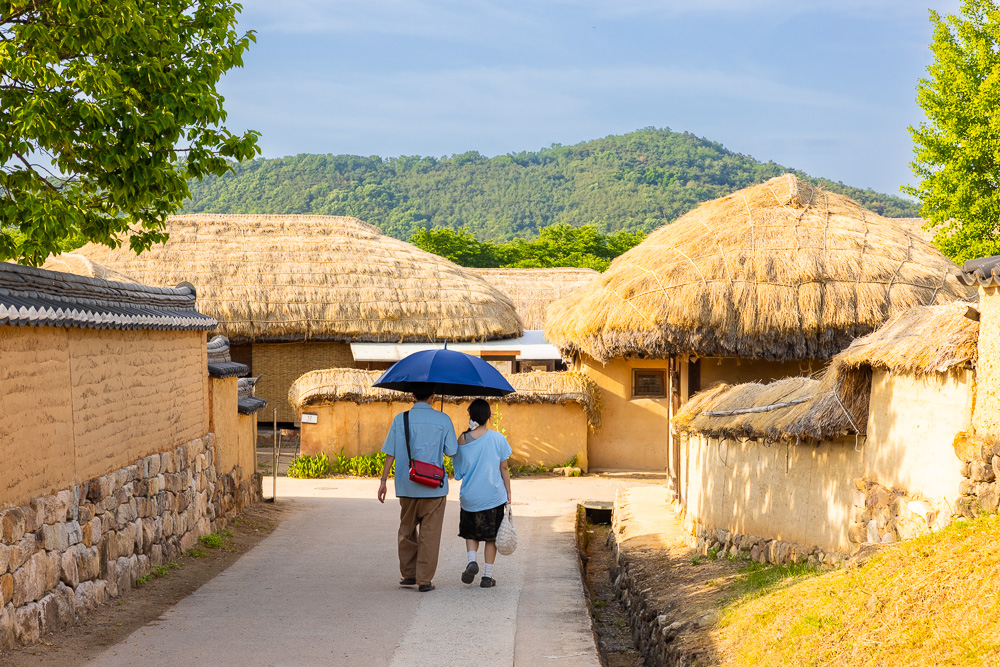
Hahoe Village (하회마을), listed as a UNESCO World Heritage Site in 2010 with Yangdong, is a clan village of the Pungsan Ryu family, founded more than 600 years ago in a bend of the Nakdong River. It looks frozen in time: people still live there, and its hanok houses with tiled and thatched roofs, its lanes and its landscape are almost intact. Fun fact: Queen Elizabeth II celebrated her 73rd birthday here with the villagers in 1999.
For the classic view, climb Buyongdae Cliff on the other side of the river. Hahoe is also the home of the Hahoe mask dance, performed for visitors in season. Admission: 5,000 won per adult. Getting there: about 3 hours by bus from Seoul to Andong, then 1 hour by local bus, or about 2h45 by car.


Haeinsa Temple and the Tripitaka Koreana
Founded in 802 in the mountains of Gayasan National Park, Haeinsa Temple (해인사) holds the Tripitaka Koreana: 81,258 wooden printing blocks of the Buddhist scriptures, carved in the 13th century. The Janggyeong Panjeon, the depositories built to store them, were listed as a UNESCO World Heritage Site in 1995. Their natural ventilation has kept the woodblocks intact for centuries.
The depositories cannot be entered: you see the woodblocks from outside, through slatted openings, so photos are difficult. Getting there: a direct bus from Daegu takes about 1h30; I chose the car, which is simpler.

Gyeongju: historic areas, Bulguksa, Seokguram and Yangdong
Gyeongju was the capital of the Silla kingdom for nearly a thousand years. It has the highest density of heritage in the country, with three UNESCO listings, and it is the richest stop of the trip. It is about 2 hours from Seoul and 30 minutes from Busan by KTX.
Gyeongju Historic Areas
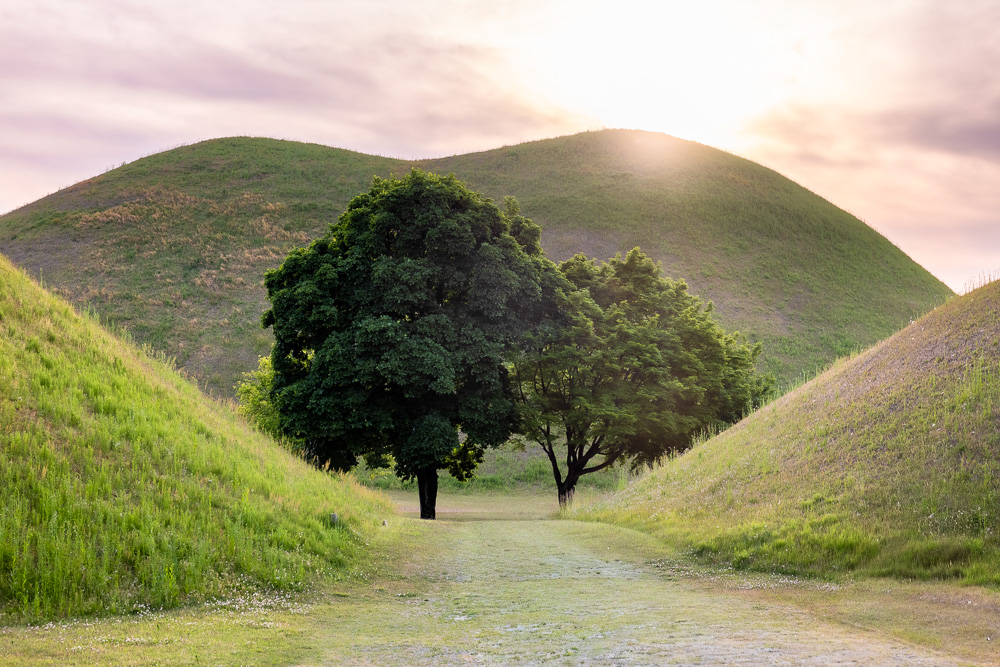
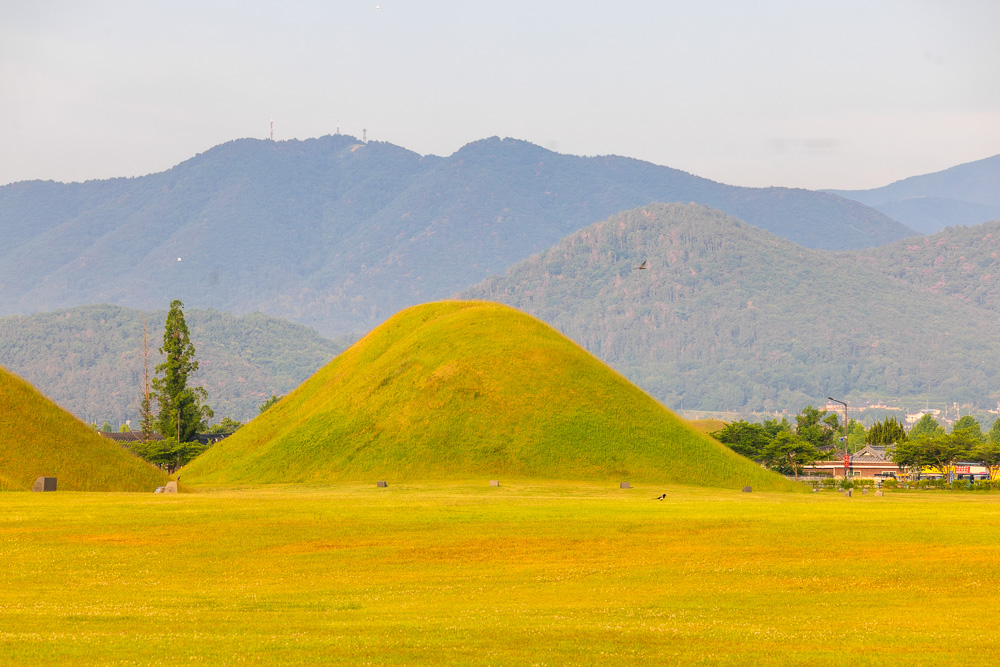
The Gyeongju Historic Areas have been listed as a UNESCO World Heritage Site since 2000. Don’t miss the grassy royal tombs of Daereungwon, more than 1,500 years old, and the Cheomseongdae observatory.
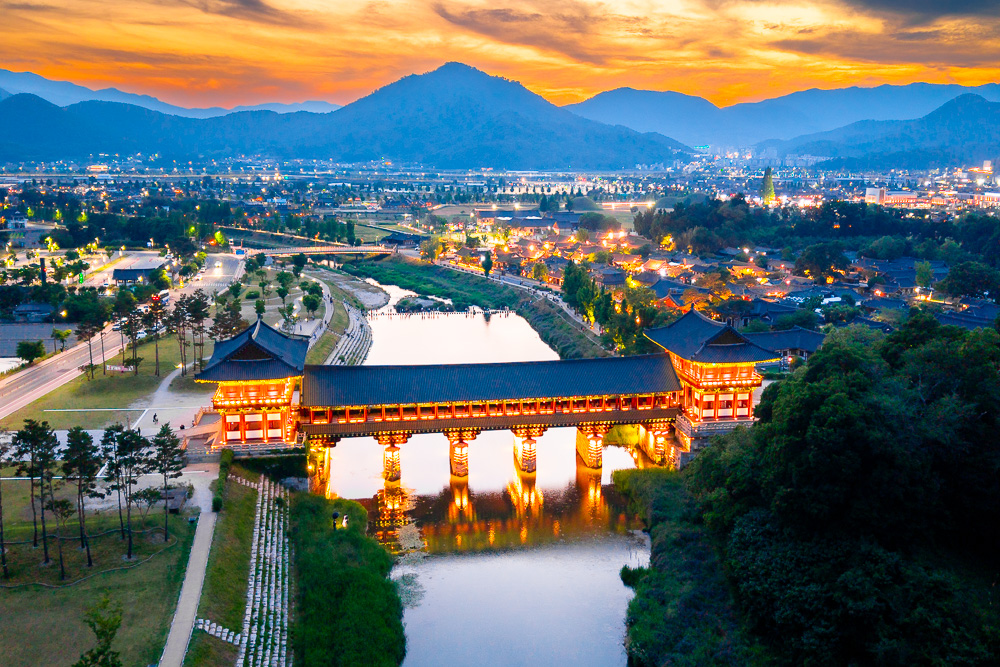
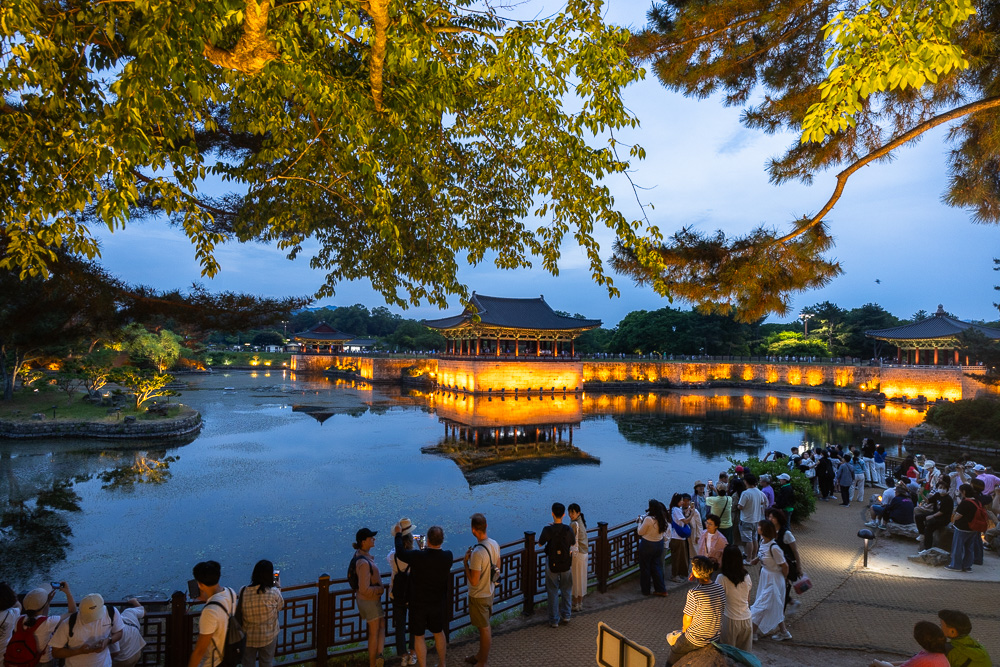
After dark, two places light up: Wolji Pond and Donggung Palace, whose pavilions reflect in the water, and the covered Woljeonggyo Bridge, a reconstruction of a Silla-era bridge over the Namcheon stream.
Bulguksa Temple and Seokguram Grotto
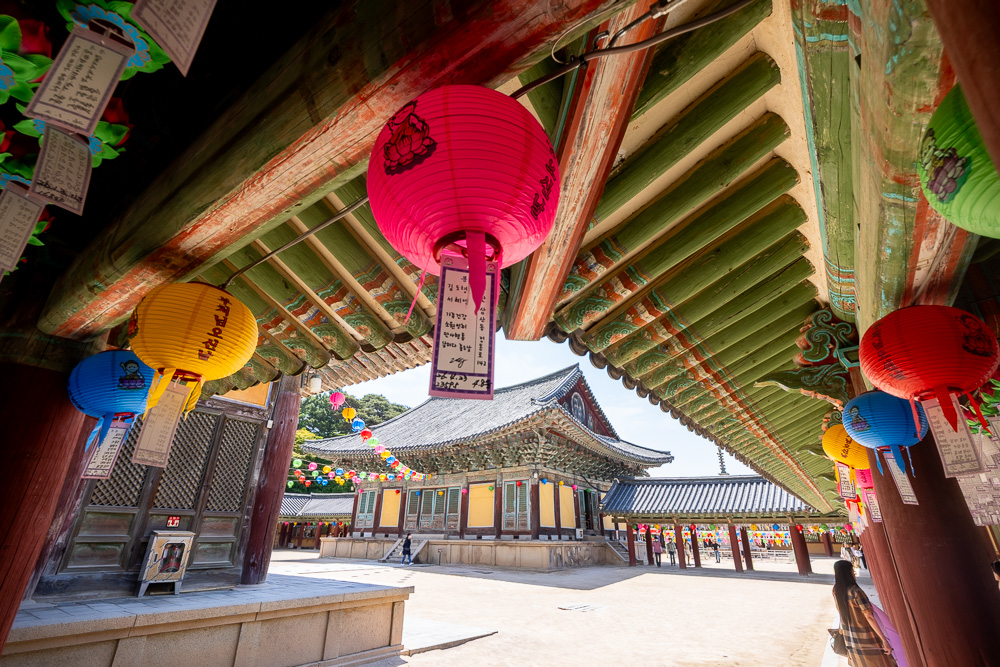
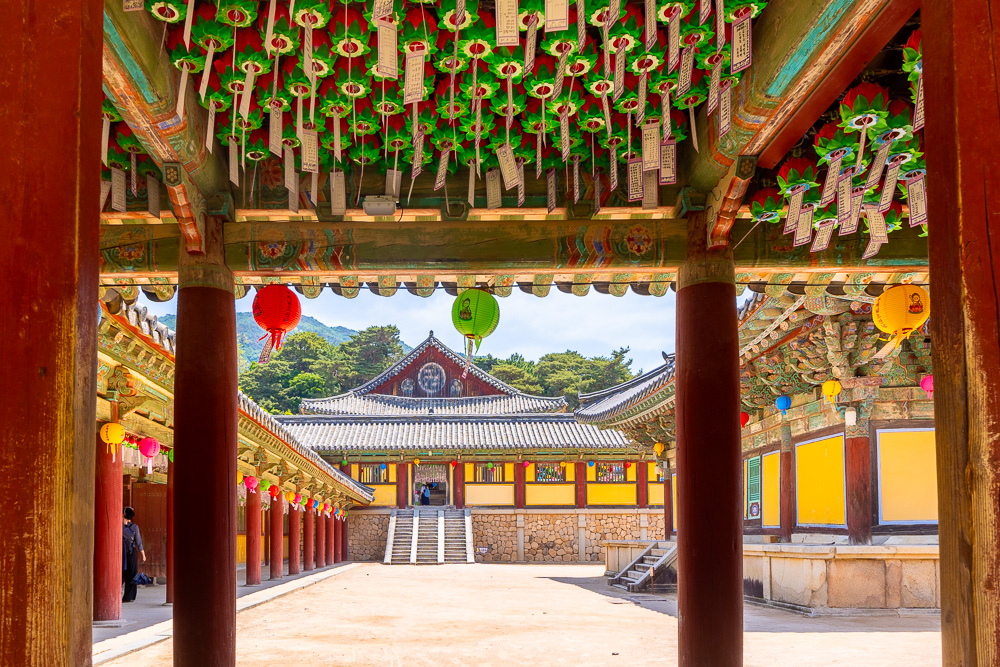
Bulguksa Temple and Seokguram Grotto have been listed as a UNESCO World Heritage Site since 1995. Built in the 8th century, Bulguksa is a masterpiece of Silla Buddhist architecture, with its stone stairways and two pagodas. Higher up on Mount Tohamsan, the Seokguram Grotto shelters a granite Buddha facing the East Sea. Go to Bulguksa early in the morning, before the tour groups.

Yangdong Village
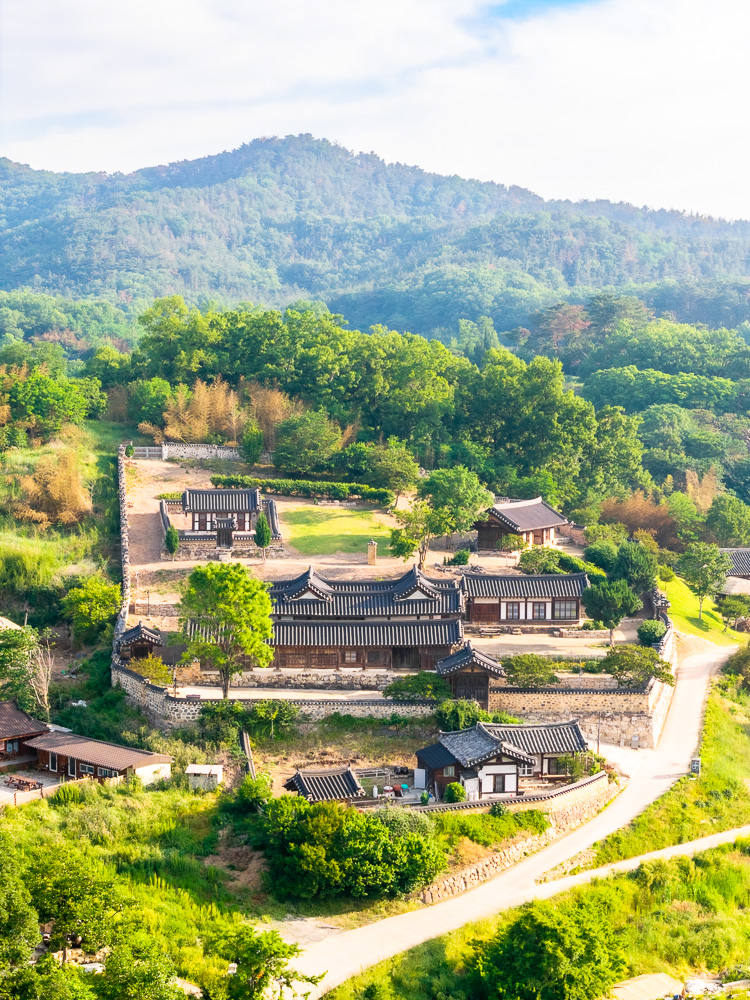
Listed as a UNESCO World Heritage Site with Hahoe in 2010, Yangdong is the largest traditional village in Korea. More than 500 years old and still inhabited, it is home to the Son and Yi clans, with noble hanok houses on the hillside. It is quieter than Hahoe and lies about 40 minutes from central Gyeongju.
Jeju Volcanic Island
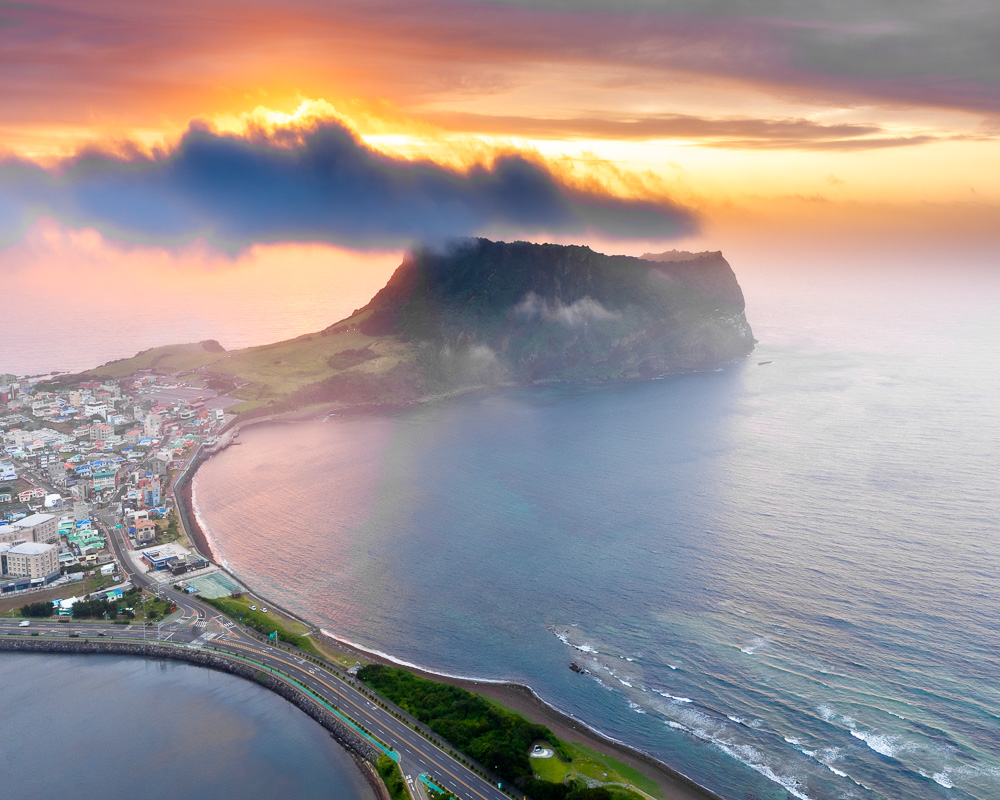
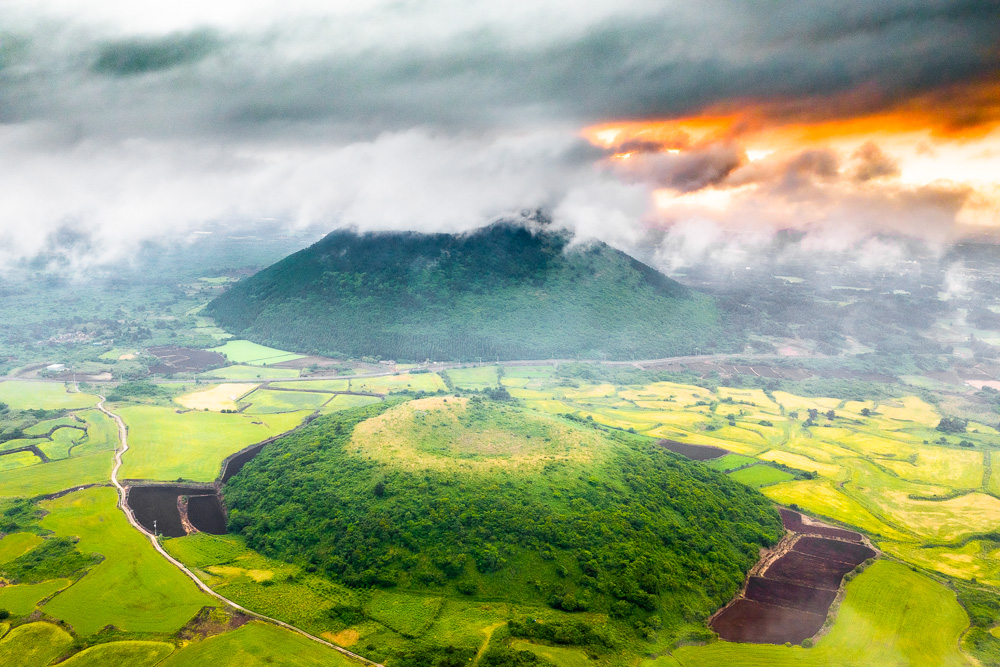
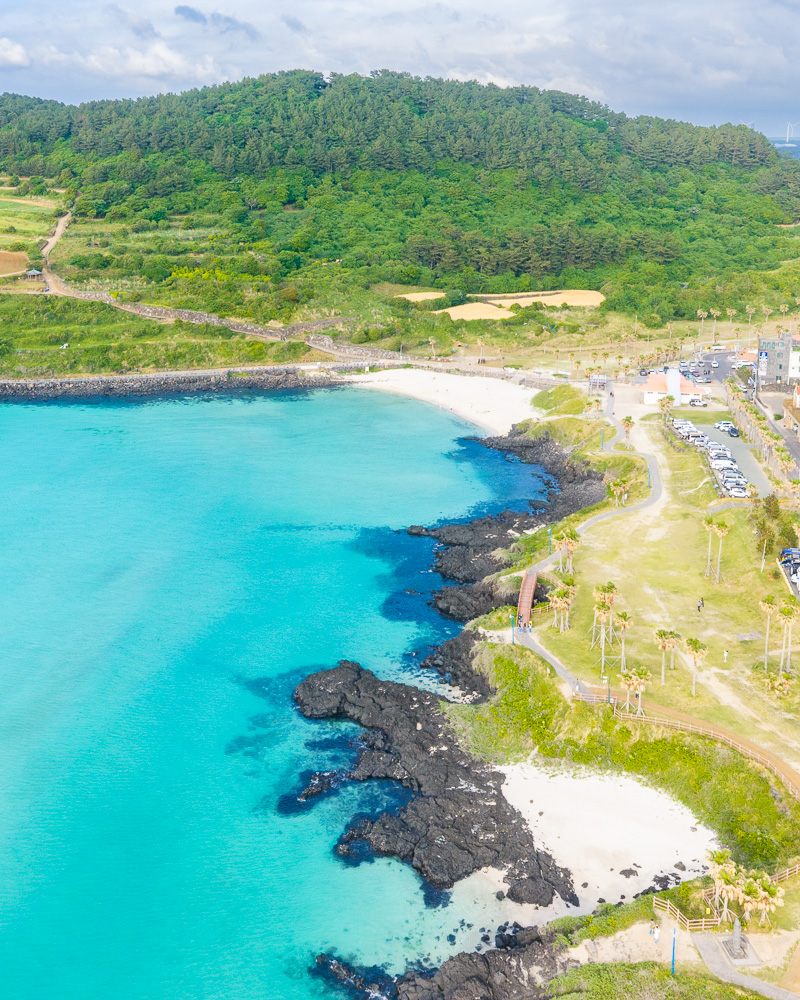
Few people imagine a place like this in South Korea. Jeju, off the south coast, has been listed as a UNESCO World Heritage Site since 2007 as “Jeju Volcanic Island and Lava Tubes”. The listing covers three sites:
- Hallasan, the highest mountain in South Korea at 1,947 metres;
- Seongsan Ilchulbong, the “Sunrise Peak”, a tuff cone rising from the sea. As its name says, go at sunrise;
- the Geomunoreum lava tube system, of which Manjanggul Cave is open to the public.
Bonus: the Lotus Lantern Festival, intangible heritage
My trip also coincided with Yeondeunghoe, the Lotus Lantern Festival, on UNESCO’s list of Intangible Cultural Heritage since 2020. I tell the whole story in a dedicated article: Lotus Lantern Festival in South Korea: Seoul, Gyeongju and Busan.
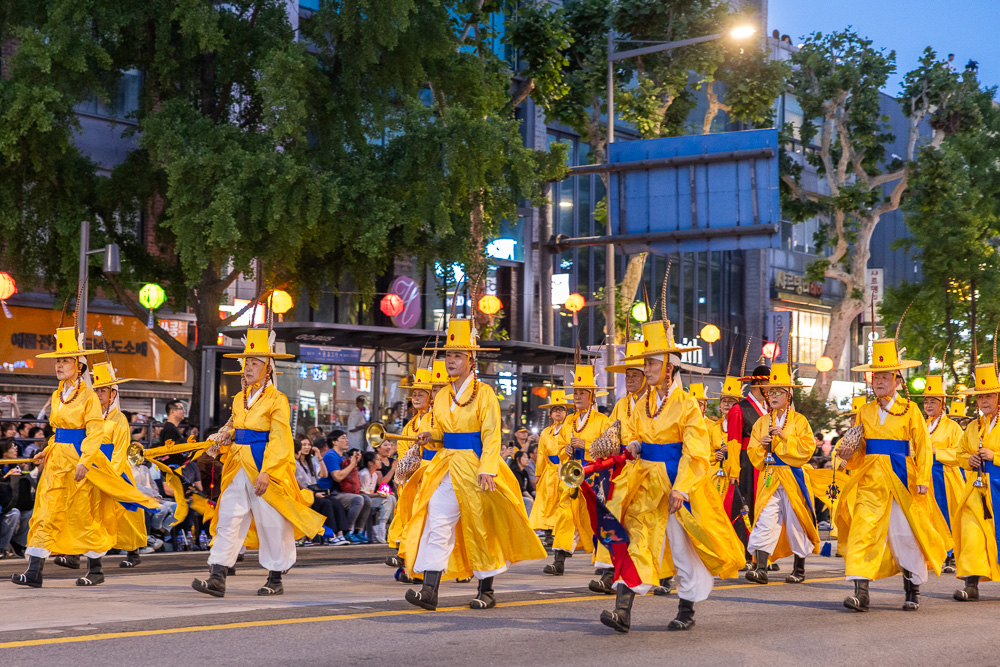
Photo Tips
Best times to take photos
- Sunset on the walls of Hwaseong
- Early morning at Bulguksa, before the tour groups
- Blue hour at Wolji Pond and Woljeonggyo Bridge
- Sunrise at Seongsan Ilchulbong
Photo spots
- Hahoe Village from Buyongdae Cliff
- The Hwaseong walls from the western side at sunset
- Woljeonggyo Bridge and its reflection in the Namcheon
- Seongsan Ilchulbong from the coast road
Photo gear to bring
- A wide-angle lens for the palaces and traditional villages
- A tripod for night shots in Gyeongju, where allowed
- A drone for the villages and Jeju, after checking local rules: flying is restricted around many heritage sites
My itinerary: 15 days in South Korea
- Seoul: Changdeokgung, Jongmyo, and the lantern parade on 16 May (see my lantern festival article).
- Suwon: Hwaseong Fortress, from the afternoon to sunset.
- Andong: Hahoe Village and Buyongdae Cliff.
- Haeinsa: the temple and the Tripitaka Koreana.
- Gyeongju: historic areas, Bulguksa and Seokguram, Yangdong Village.
- Busan: Samgwangsa Temple and the city (see my Busan guide).
- Jeju: flight from Busan, Seongsan Ilchulbong, Manjanggul and Hallasan.
Outside the lantern season, the same route works year-round. Autumn is another great time: see South Korea in autumn.
How to get around South Korea: KTX, bus or plane
| Route | Transport | Duration |
|---|---|---|
| Seoul → Suwon | train or subway line 1 | about 1 hour |
| Seoul → Andong → Hahoe | bus, or car | about 3 h + 1 h by bus, 2h45 by car |
| Daegu → Haeinsa | direct bus, or car | about 1h30 |
| Seoul → Gyeongju | KTX | about 2 hours |
| Gyeongju → Busan | KTX | about 30 minutes |
| Busan → Jeju | plane | about 1 hour |
My advice: travel by KTX between big cities and book in the Korail app, especially at weekends. For Hahoe, Haeinsa and Yangdong, local buses are infrequent: I travelled by car, which saves a lot of time. On Jeju, rent a car.
Practical information
- When to go: spring (April-May) for the lantern festival and mild weather, autumn (October-November) for the foliage.
- Temperatures in May: around 15 to 25 °C.
- Getting around in town: a T-money card works on the subway, buses and in convenience stores. Use Naver Map or KakaoMap: Google Maps gives little walking or driving guidance in Korea.
- Entry: check the rules for your nationality. French citizens are exempt from the K-ETA electronic travel authorization until 31 December 2026; fill in the e-Arrival Card online before you land.
More from South Korea
- 15 Days in South Korea: My Day-by-Day Itinerary
- Lotus Lantern Festival in South Korea: Seoul, Gyeongju and Busan
- South Korea in Autumn: Fall Foliage from Seoul to Busan
- Things to Do in Seoul: Palaces, City Wall and Glass Towers
- Things to Do in Busan: Gamcheon, Haeundae and Samgwangsa
See all my articles in the South Korea section.
FAQ
How many UNESCO World Heritage sites are there in South Korea?
South Korea had 17 World Heritage sites as of 2025. My 15-day itinerary covers 9 of them, from Seoul to Jeju.
Which UNESCO sites can you visit from Seoul?
Changdeokgung Palace and Jongmyo Shrine are in central Seoul, and Hwaseong Fortress in Suwon is about an hour away.
How many days do you need to see Korea’s UNESCO sites?
About two weeks to see Seoul, Suwon, Andong, Haeinsa, Gyeongju and Jeju without rushing.
How do you get from Seoul to Gyeongju?
By KTX from Seoul Station to Singyeongju station, in about 2 hours.
Do French citizens need a K-ETA for South Korea?
No: French citizens are exempt from the K-ETA until 31 December 2026. Check the rules before booking a trip after that date.
See all
My latest adventures


Alpes-de-Haute-Provence The Gorges of the Verdon ›
January 2024