EN
 FR


› Blog/travel
November 2026 |
Things to Do in Seoul: Palaces, City Wall and Glass Towers
Seoul is a city of contrasts: Joseon palaces at the foot of the mountains, a 600-year-old city wall, and glass towers lit up at night. I first discovered it in 2019, then photographed it again in autumn and in May 2026, during the Lotus Lantern Festival. It is a huge city: a week lets you enjoy it without rushing. Here are my favourite places in Seoul, my photo tips and the practical information to plan your stay.
Here is what not to miss in Seoul:
- The royal palaces: Gyeongbokgung, Changdeokgung and Jongmyo Shrine
- The Seoul City Wall at sunset
- Bukchon Hanok Village and its traditional houses
- Cheonggyecheon Stream at night
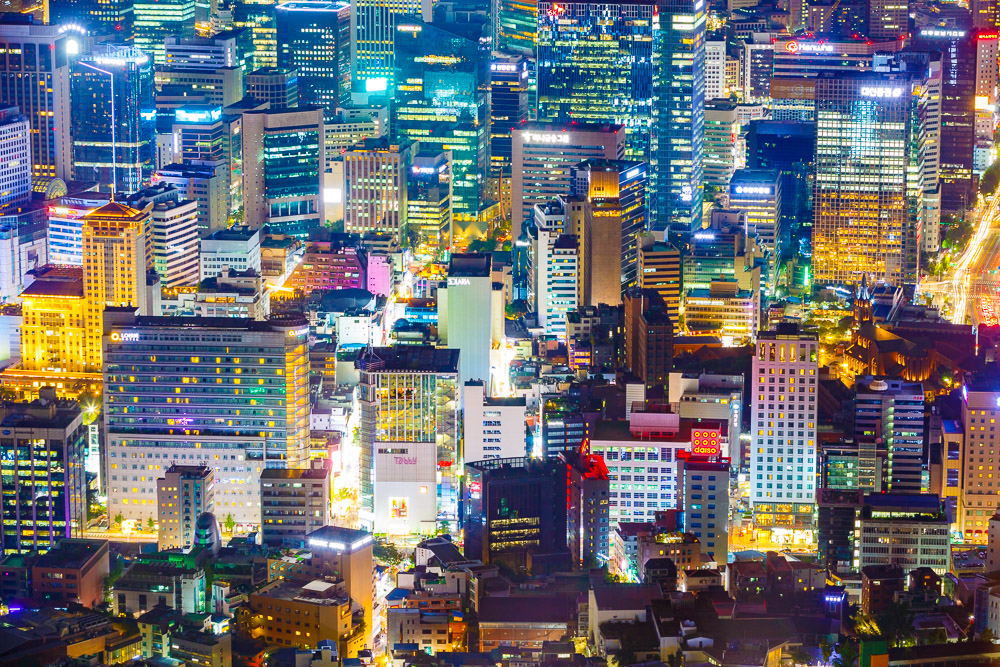
- Dongdaemun Design Plaza and the view from Namsan
- Gangnam: Starfield Library, COEX and Lotte World Tower
- Jogyesa Temple, especially during the lantern festival
The royal palaces of Seoul
Gyeongbokgung Palace
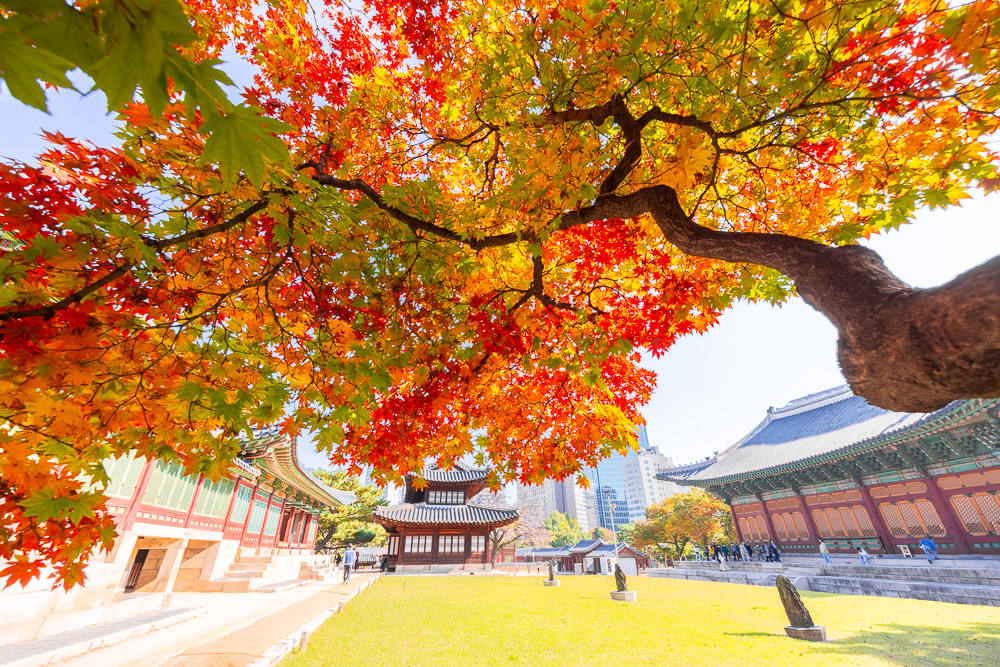
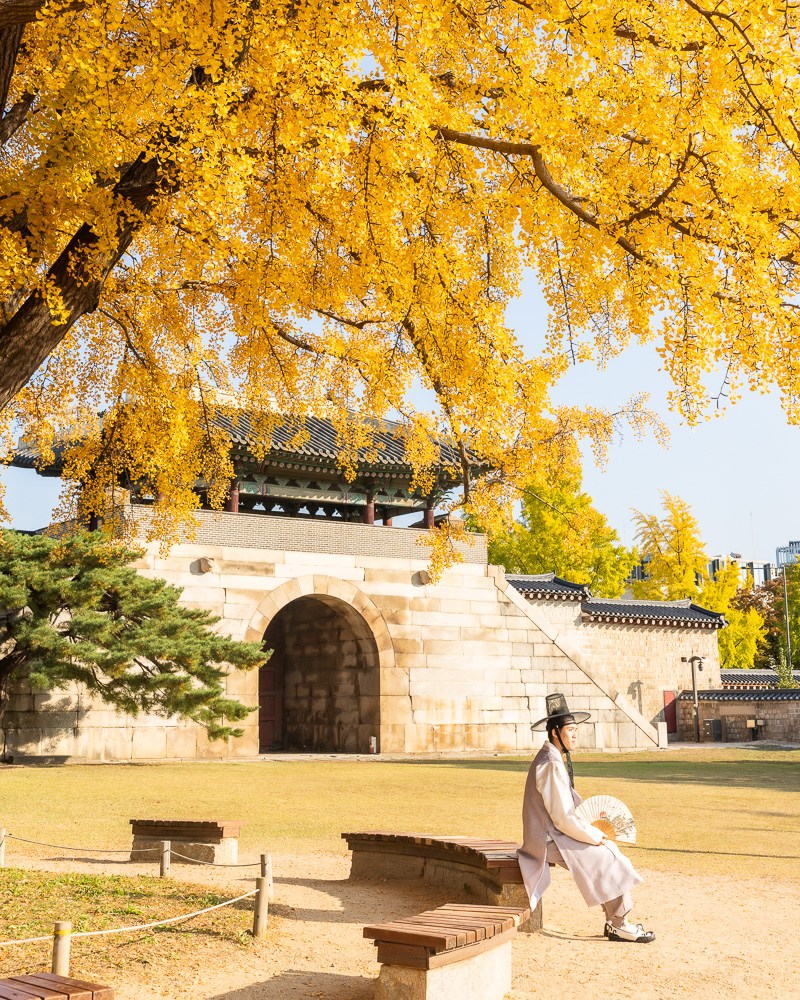
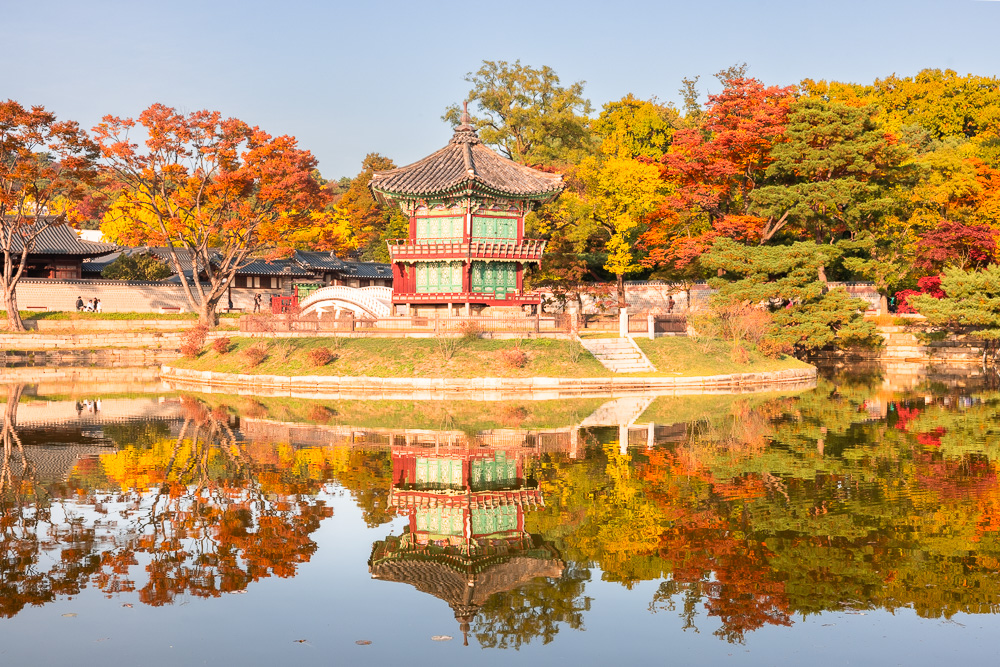
Built in 1395, Gyeongbokgung (경복궁) was the main palace of the Joseon dynasty. Behind the throne hall, the Hyangwonjeong Pavilion stands on an island in the middle of a pond, a superb sight in autumn. At the entrance, don’t miss the royal guard changing ceremony at Gwanghwamun Gate. The palace is closed on Tuesdays; admission is 3,000 won, and free if you wear a hanbok.
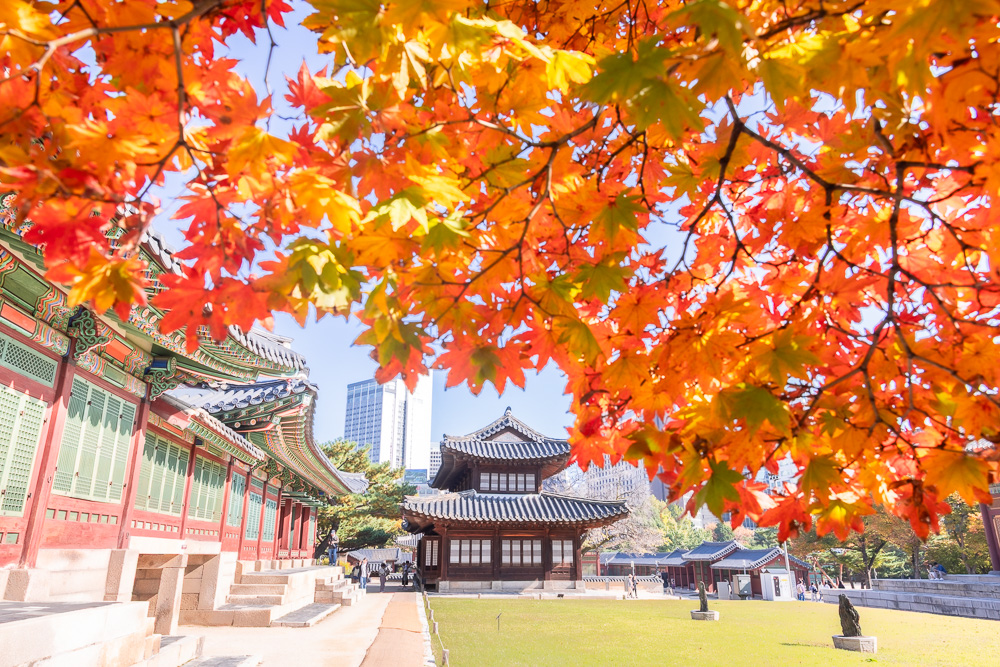
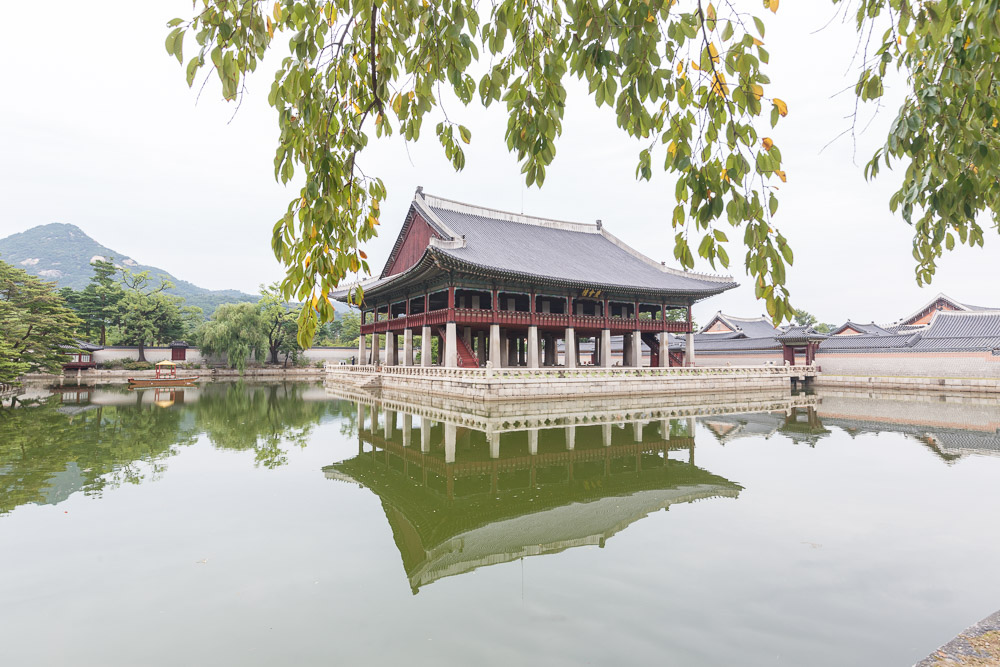
Don’t miss the Gyeonghoeru Pavilion either, the former royal banquet hall set on a pond, which reflects in the water on calm days.
Changdeokgung Palace and Jongmyo Shrine
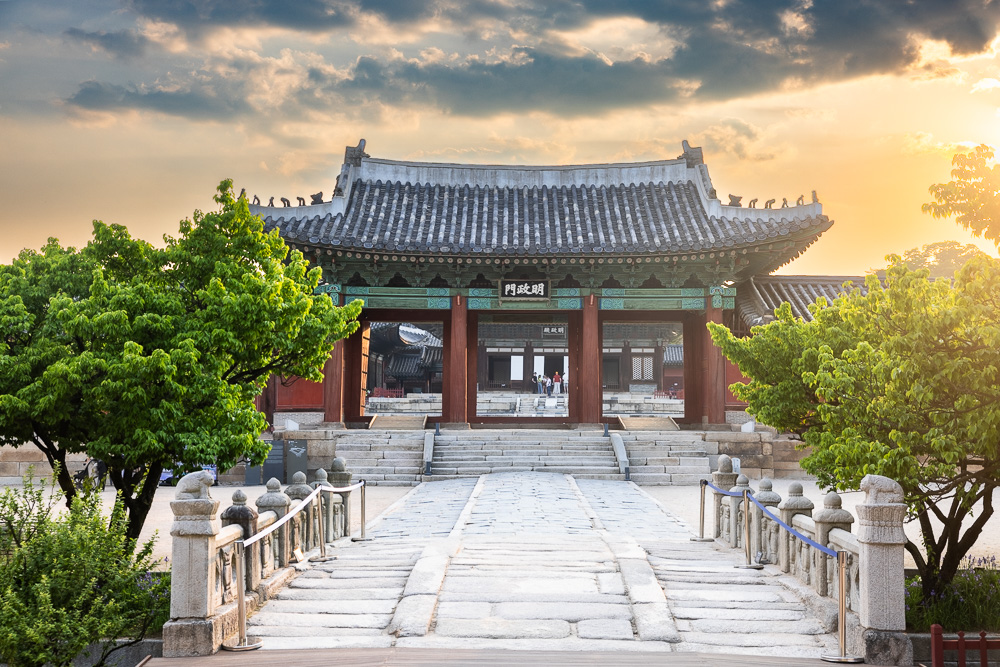
A short walk away, Changdeokgung and its Secret Garden, and Jongmyo Shrine, are listed as UNESCO World Heritage Sites. I describe them in my article South Korea: 9 UNESCO Sites and My 15-Day Itinerary.

Bukchon Hanok Village
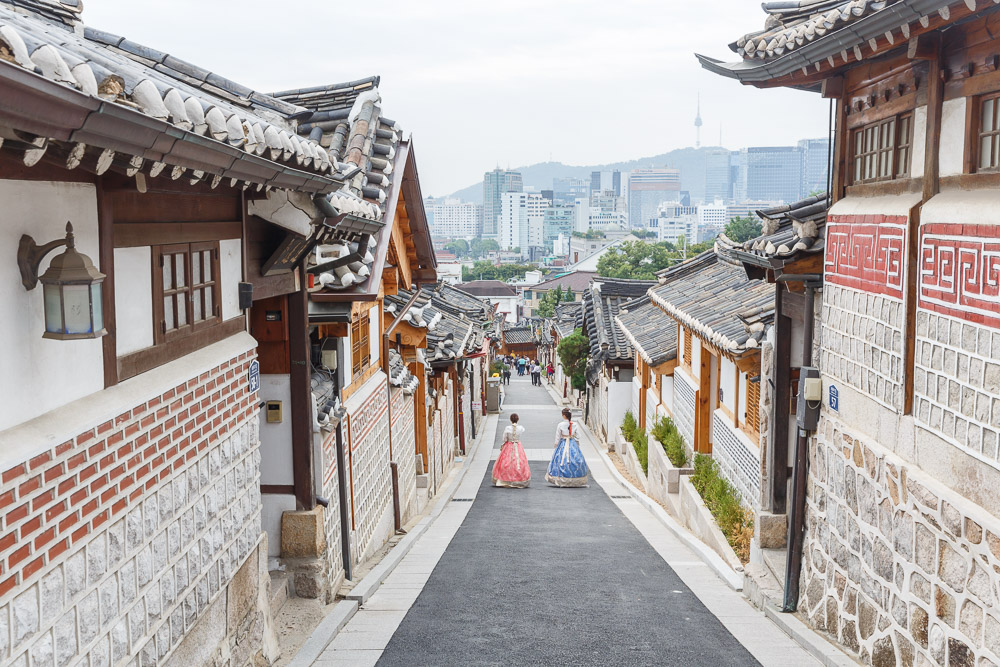
Between Gyeongbokgung and Changdeokgung, about 15 minutes’ walk from the former, Bukchon (북촌) is a historic district of traditional hanok houses, around 600 years old. It is also a residential area: to protect the residents, its busiest part, the “red zone”, is open to tourists only from 10 am to 5 pm, with a fine of 100,000 won for violations. Arrive at 10 am to enjoy the lanes before the crowds, and keep your voice down.
The Seoul City Wall (Hanyangdoseong)
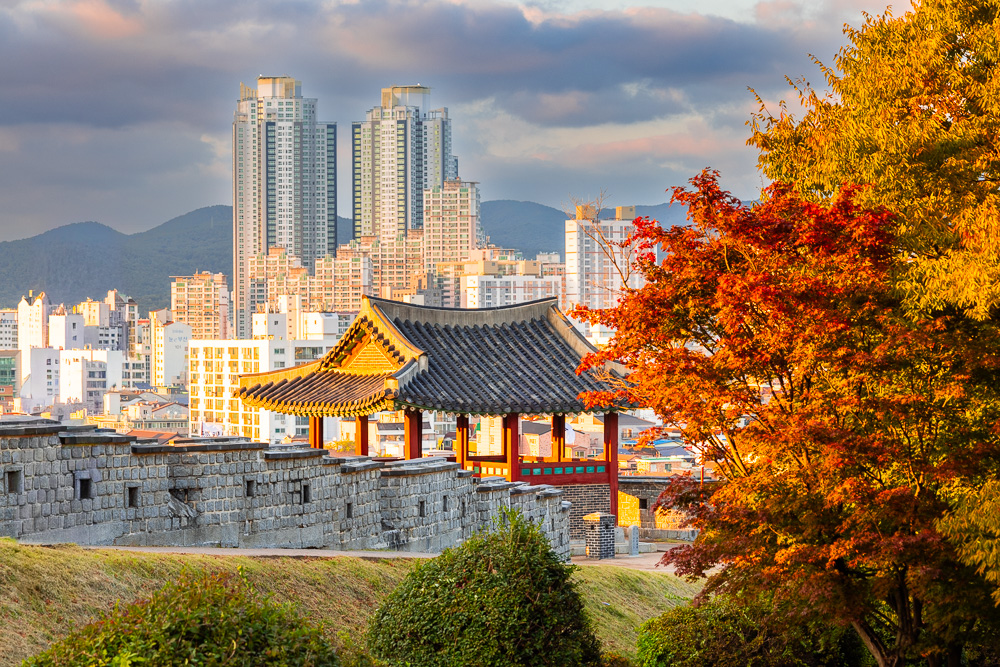
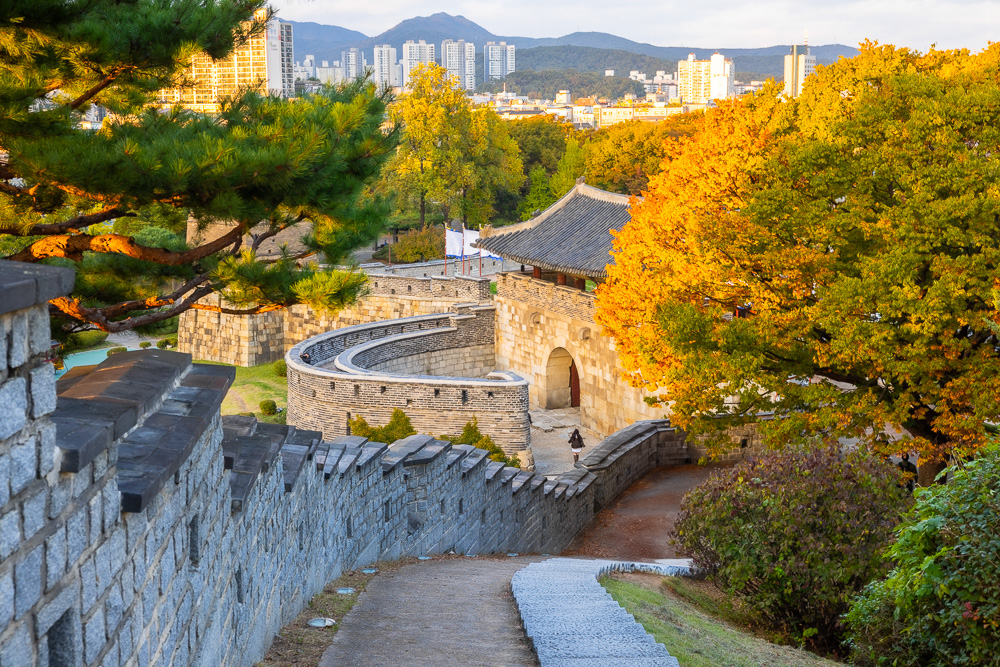
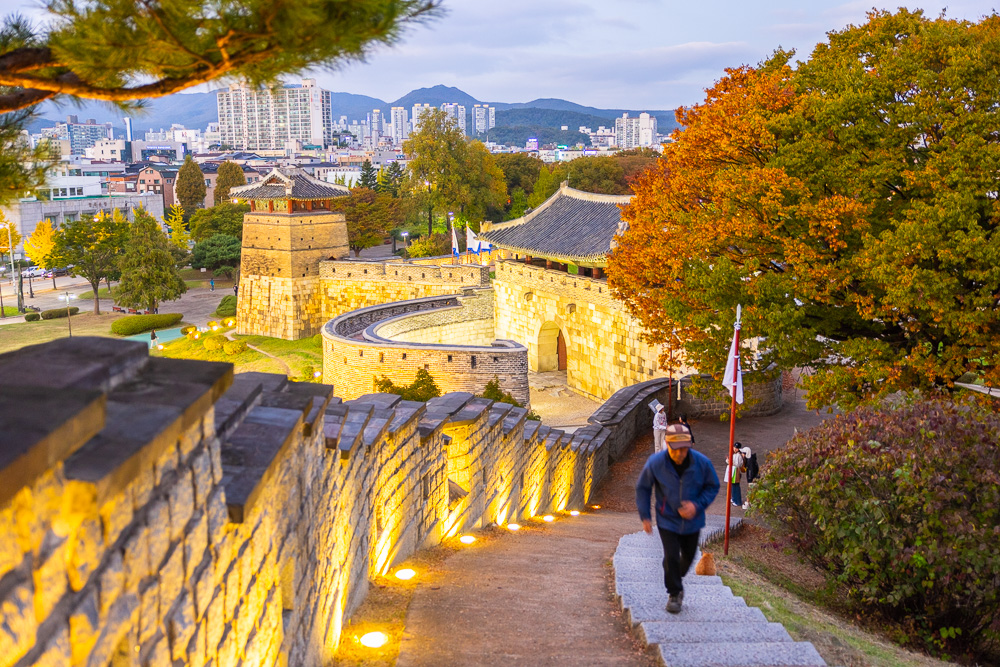
Built from 1396, the Seoul City Wall (한양도성) ran for about 18.6 km around the old capital, along the ridges of four mountains. Long sections survive and make a beautiful walk, between watchtowers, gates and views over the city. Go at the end of the day: the wall lights up at dusk, with the towers of Seoul behind it.
Cheonggyecheon Stream
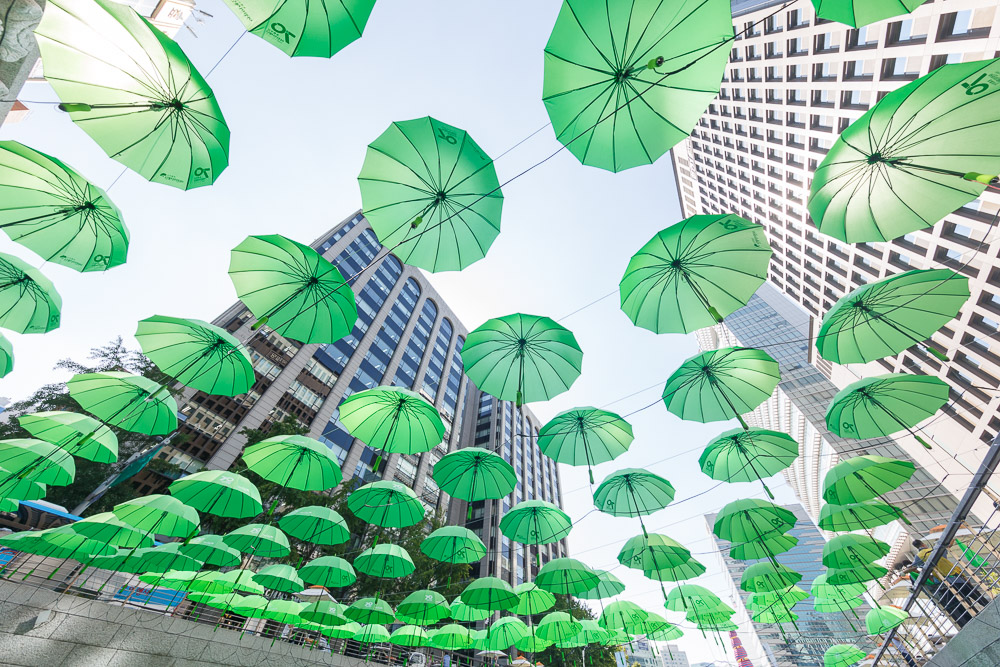
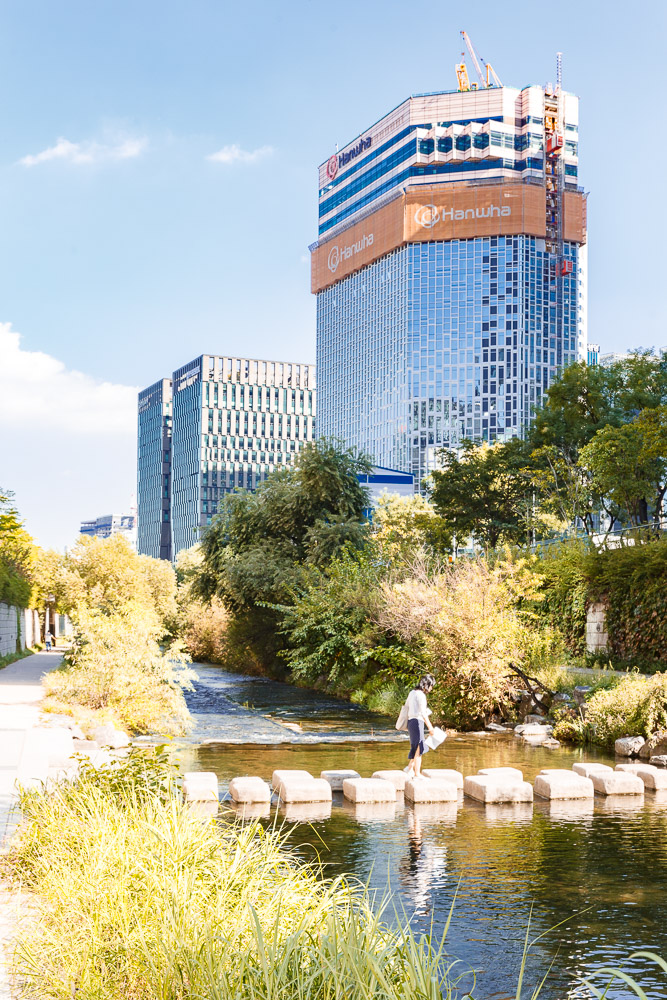
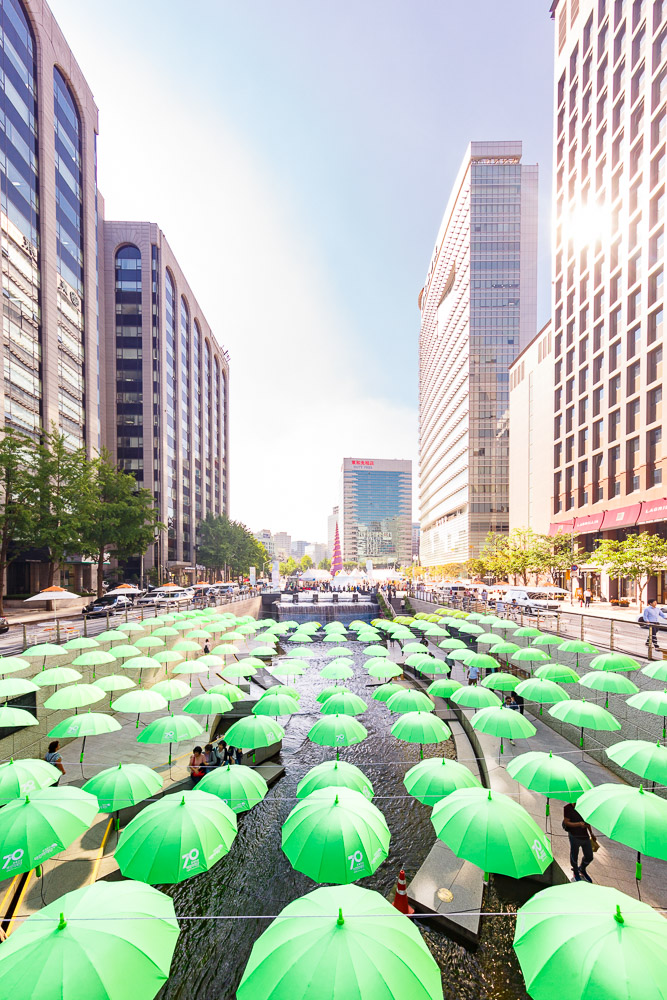
Cheonggyecheon (청계천) is an 11 km stream that runs through downtown Seoul. Covered by a road for decades, it was restored and opened as a walkway in 2005. At night, its banks and light installations make it one of the most pleasant walks in the city centre.


On my first visit, an installation of green umbrellas floated above the water.
Dongdaemun Design Plaza (DDP)
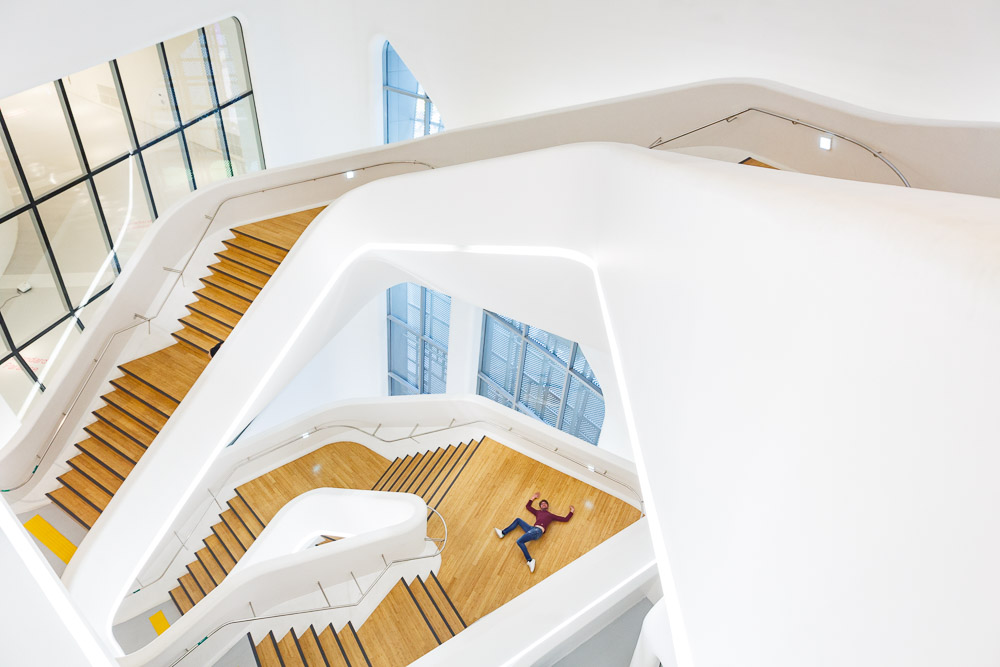
Opened in 2014 and designed by the architect Zaha Hadid, Dongdaemun Design Plaza is famous for its curving architecture. It hosts art and design exhibitions: half a day is not enough to enjoy it.
N Seoul Tower and Namsan
From Namsan hill, at the foot of N Seoul Tower, you get the best view over the whole city, especially after dark. There is no need to go up the tower: the view is the same from the hill, without the reflections on the windows.
Gangnam: Starfield Library, COEX and Lotte World Tower
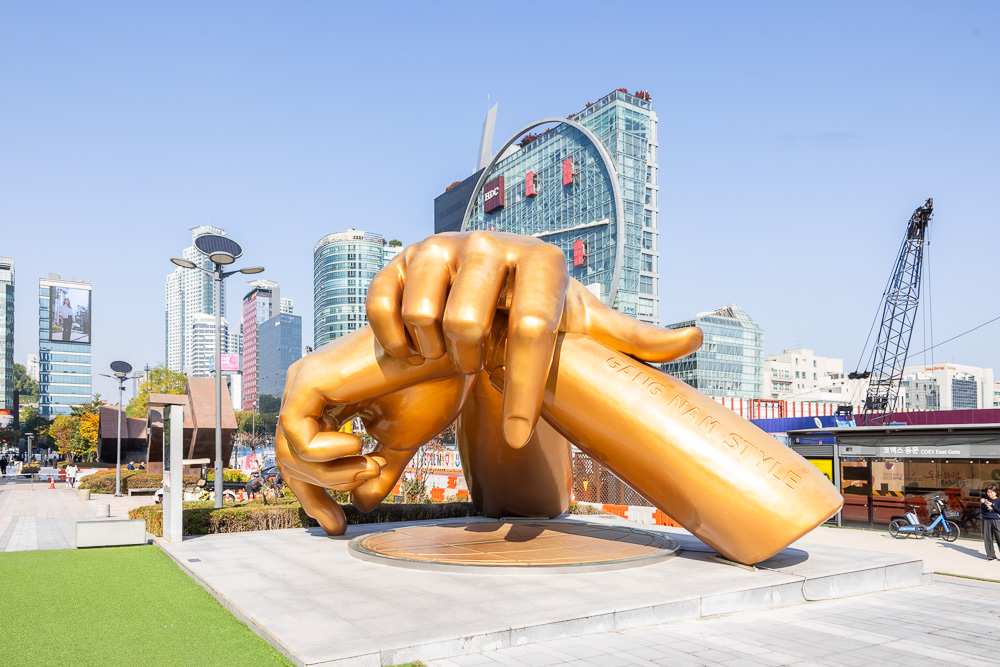
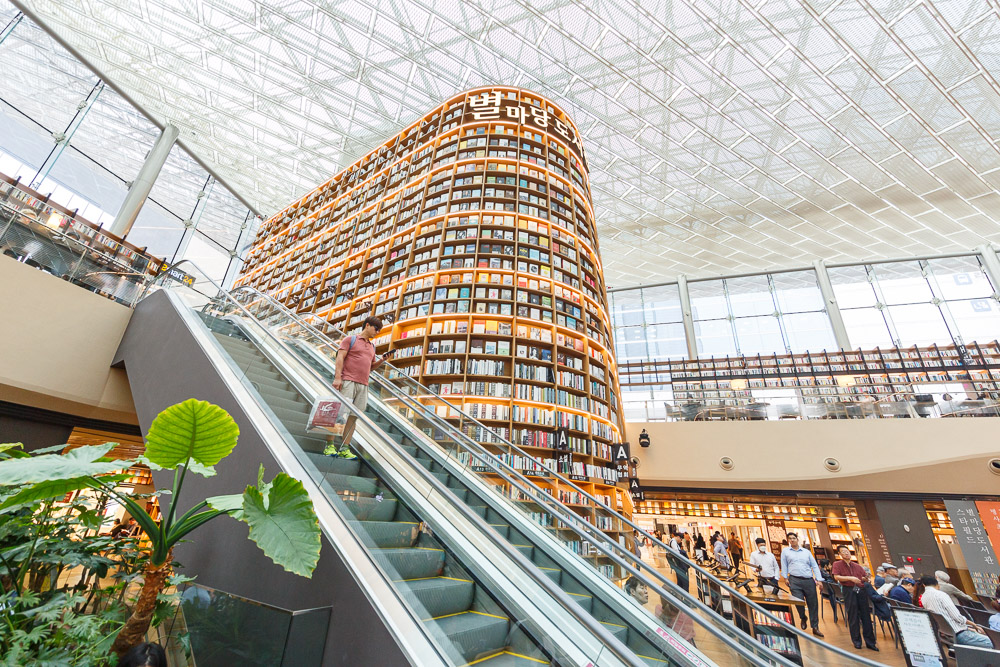
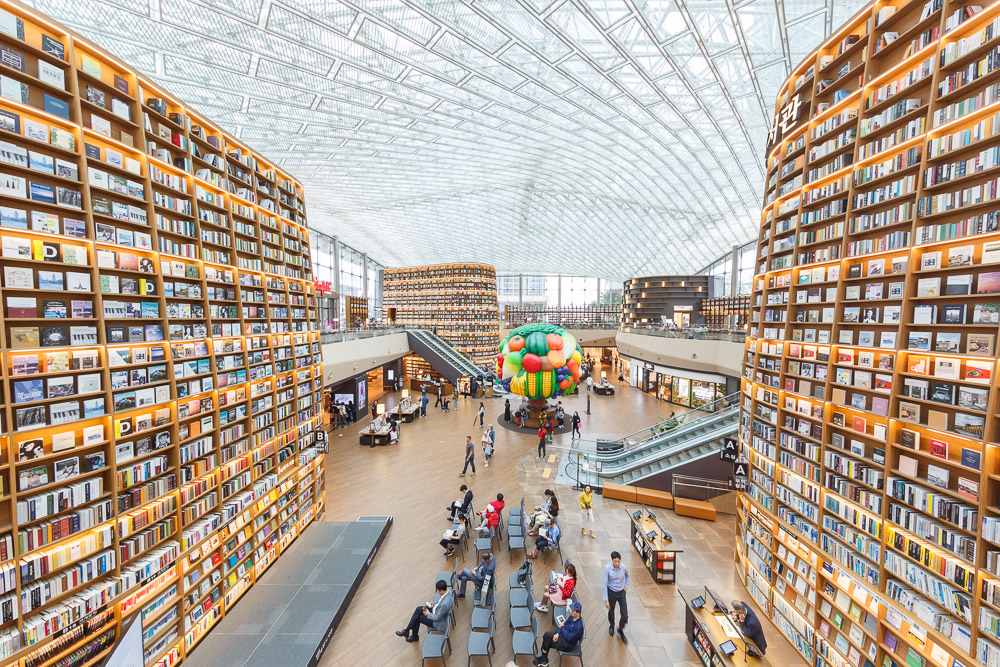
South of the Han River, Gangnam is modern Seoul. Inside the COEX Mall, the Starfield Library is famous for its giant bookshelves rising to the ceiling: free and open to all, it is one of the most photographed interiors in Seoul. Outside, the bronze hands of the Gangnam Style statue are a nod to the K-pop hit.

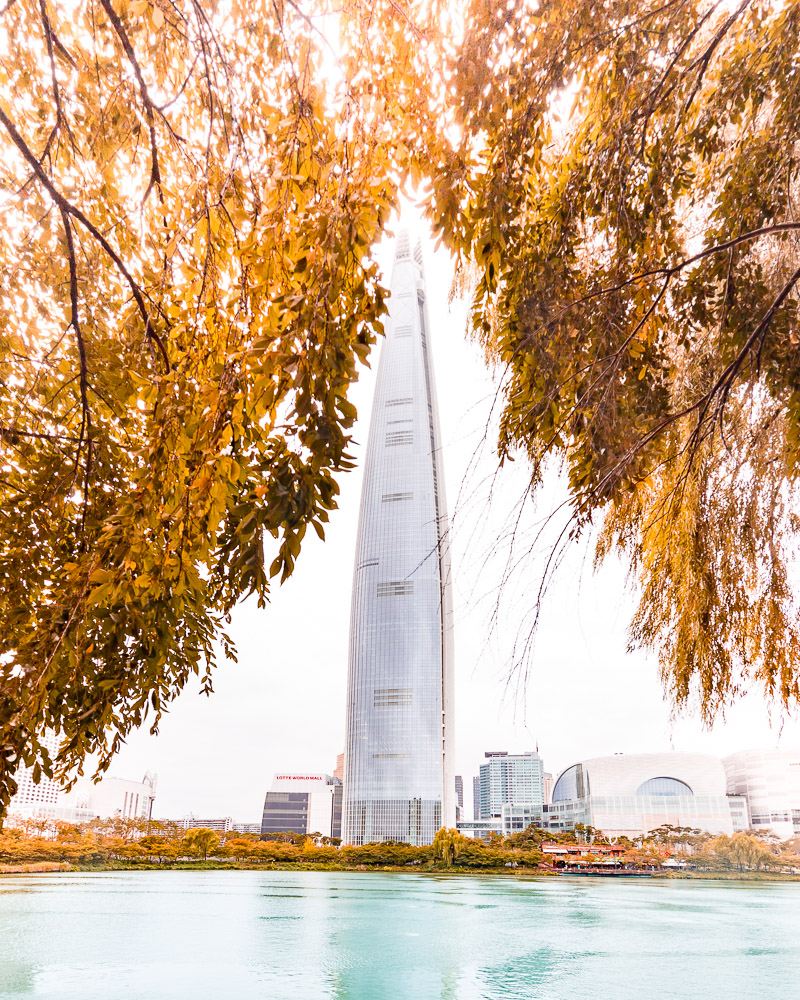
A little further east, the Lotte World Tower, 555 metres high, is the tallest building in South Korea. Its observatory, Seoul Sky, offers a view over the whole city; at sunset, the light on the glass is beautiful. At its foot, a large mall houses Lotte World, one of the largest indoor theme parks in the world.

Jogyesa Temple and the lantern festival
In the heart of the city, Jogyesa is the head temple of the Jogye Order. In spring, during the Lotus Lantern Festival, thousands of lanterns cover its courtyard and the big parade ends at its gate. Read the full story in Lotus Lantern Festival in South Korea: Seoul, Gyeongju and Busan.

Day trips from Seoul
- Suwon: Hwaseong Fortress, listed by UNESCO, is about an hour away. Go for the afternoon and stay until sunset (see my UNESCO itinerary).
- Bukhansan National Park: granite peaks right on the edge of the city, beautiful at sunrise (see South Korea in autumn).
Photo Tips
Best times to take photos
- Early morning at the palaces, before the crowds
- Dusk on the City Wall, when the towers light up
- Night along Cheonggyecheon and in Gangnam
Photo spots
- Hyangwonjeong Pavilion and its reflection at Gyeongbokgung
- The City Wall with the towers of Seoul behind
- The giant bookshelves of the Starfield Library
- The night view from Namsan hill
- The lanes of Bukchon from 10 am
- Lotte World Tower at sunset
Photo gear to bring
- A wide-angle lens for the palaces and the Starfield Library
- A telephoto lens to compress the towers behind the wall
- A light tripod for night shots, where allowed
Practical information
- When to go: spring (April-May) for the lantern festival, autumn (October-November) for the foliage.
- From the airport: the AREX train links Incheon Airport to Seoul Station.
- Getting around: the subway is fast and cheap; a T-money card works on the subway, buses and in convenience stores. Use Naver Map or KakaoMap rather than Google Maps.
- Entry: French citizens are exempt from the K-ETA until 31 December 2026; fill in the e-Arrival Card online before you land.
More from South Korea
- 15 Days in South Korea: My Day-by-Day Itinerary
- South Korea: 9 UNESCO Sites and My 15-Day Itinerary
- Lotus Lantern Festival in South Korea: Seoul, Gyeongju and Busan
- South Korea in Autumn: Fall Foliage from Seoul to Busan
- Things to Do in Busan: Gamcheon, Haeundae and Samgwangsa
See all my articles in the South Korea section.
FAQ
How many days do you need in Seoul?
A week lets you enjoy Seoul without rushing: three to four days for the palaces, Bukchon, the City Wall and Cheonggyecheon, one to two days for the DDP, Namsan and Gangnam, and one day for Suwon.
Which palace should you visit in Seoul?
Gyeongbokgung is the largest and the most famous. Changdeokgung, with its Secret Garden, is listed by UNESCO.
Is the Starfield Library free?
Yes: the Starfield Library in the COEX Mall is free and open to all.
How tall is Lotte World Tower?
555 metres: it is the tallest building in South Korea.
When is the best time to visit Seoul?
Spring (April-May) for the lantern festival and mild weather, and autumn (October-November) for the foliage.
Featured product

Wakayama Castle Sakura Season – Limited Edition Fine Art Print
From 190,00 €
DiscoverFeatured posts
- 15 Days in South Korea: My Day-by-Day Itinerary
- Harbin Ice Festival, China: Ice and Snow World and the City, a Photographer’s Guide
- Yellowknife The Aurora Capital of the World
- Top 10 photo Spots for Cherry Blossom in Japan
See all
My latest adventures


Alpes-de-Haute-Provence The Gorges of the Verdon ›
January 2024