EN
 FR




› Blog/travel
March 2019 |
Hokkaido in Winter
Hokkaido and the legend of the best snow in the world
I have always been fascinated by Hokkaido, Japan’s northern island. In fact, I had heard that its snow was unique: smoother, softer and lighter than anywhere else. As a skier and snowboarder, I wanted to check if this was true. That was one reason for my trip. Moreover, Hokkaido feels like a remote island, very different from crowded Tokyo and Osaka or touristy Kyoto. It is also a must for landscape photographers, especially in winter. In this article, I explain why.
As for the snow, the legend is true! When I first landed in Sapporo, I touched it and immediately felt the difference with snow in Europe or North America. It was so soft and light! Later, when I went snowboarding at Asahidake, I even kept sliding on flat slopes! In short, the powder is amazing and a joy to ride.
There is a reason why the snow is so different in Hokkaido. In winter, very cold, dry air from Siberia crosses the Sea of Japan and picks up moisture. It then falls on Hokkaido as very light, dry powder snow, which skiers nicknamed “Japow”.
Day 1: Sapporo
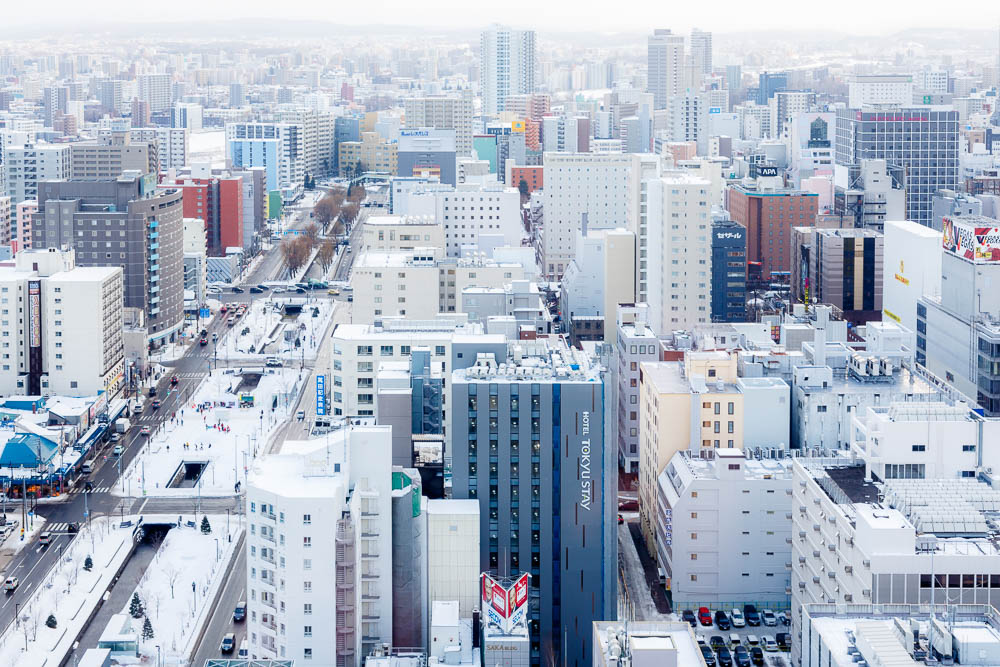
Sapporo, the capital of Hokkaido, is Japan’s fifth-largest city, with about two million people. In winter, it is famous for its Snow Festival. Unfortunately, I missed it, since it takes place in February and I came in January. Sapporo is not Japan’s most impressive city; still, I loved discovering a big Japanese city under a thick blanket of white snow.



Day 2: Furano and Biei
Furano is a small town in the very centre of Hokkaido, known for its ski resorts and its curry! Nearby, Biei attracts landscape photographers, especially in winter, but also in summer for its lavender fields. You will also find the Blue Pond here. However, avoid winter, when the pond is frozen and covered in snow. The best time may be November, when the first snow falls and the pond is still blue.


Day 3: Asahikawa and Asahidake
Asahikawa is Hokkaido’s second city, with about 330,000 people. According to many, it is the best place in Japan for ramen. Here, I also realised how different the snow was, since it stuck everywhere in the streets, as you can see below. As a result, it is a perfect city for unique photos under permanent snow.

Asahidake is a mountain with a ropeway and a couple of runs. Here, I tried Japanese powder on a snowboard. The off-piste is great; however, I did not know the area and was afraid of getting lost. The place is not touristy yet, and facilities are limited. Even so, I was surprised to meet a group of French skiers from Tignes and Val d’Isère who had come especially for this snow!


Day 4: Noboribetsu
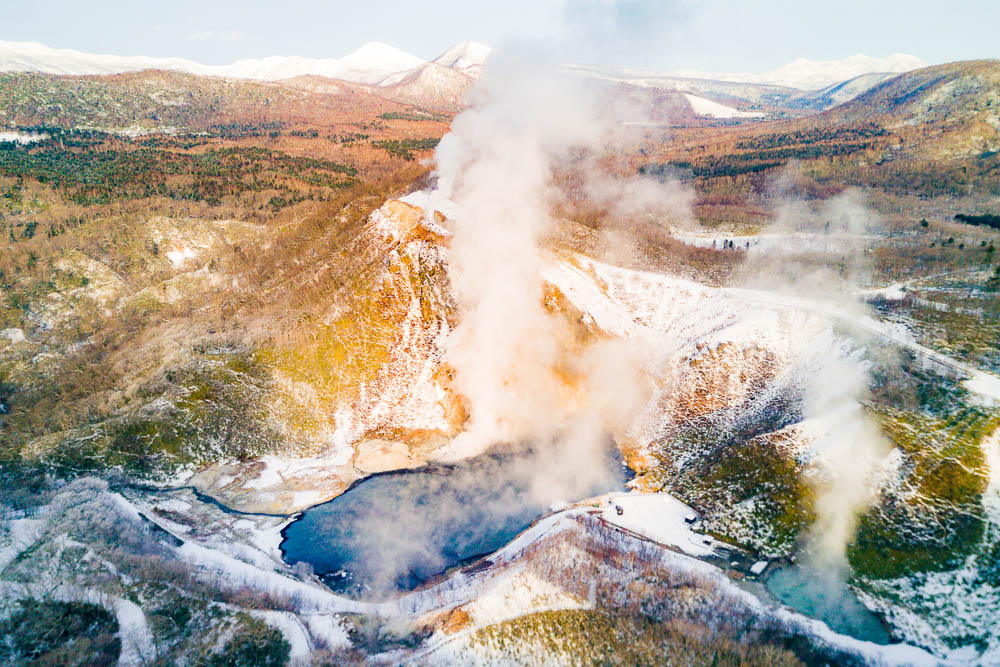
Noboribetsu, South West of Sapporo is well known for Jigokudani, or the Hell Valley. This is biggest hot springs spot in Hokkaido and one of the main one in Japan. You feel like to be in Iceland there or in Yellowstone National Park in North America.
This is also the perfect place to enjoy one of the biggest Onsens in Japan. They are very famous in Asia and there are a lot of tourists especially from Japan and China.
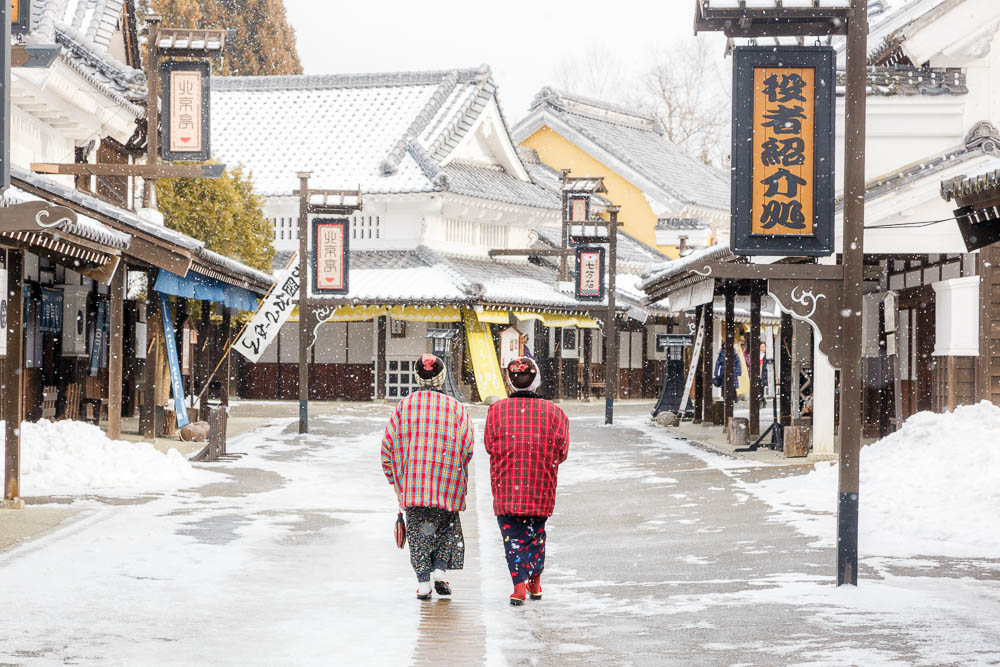
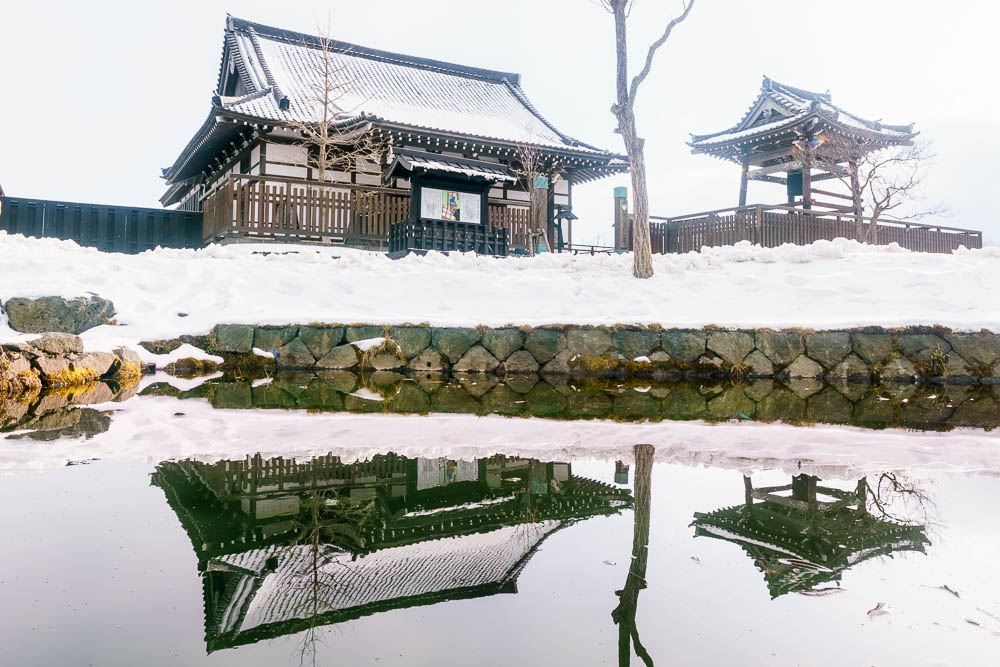
There is also Noboribetsu Date Historic Village, where you can attend Ninja performance. This place looks like a small thematic amusement park.


Featured product

Mount Fuji & Cherry Blossoms – Limited Edition Fine Art Print
From 190,00 €
DiscoverFeatured posts
- 15 Days in South Korea: My Day-by-Day Itinerary
- In the Footsteps of Lucien Mazan Petit-Breton
- Hildesheim, a UNESCO Town
- Top 10 photo Spots for Cherry Blossom in Japan
See all